

A Symbol of Prestige and Cultural Identity in South Kalimantan
Discovering Kopiah Jangang, a Unique Cultural Heritage of the Banjar People
When discussing the traditional attire of the Banjar people in South Kalimantan, public attention is usually drawn to Sasirangan fabric, which has gained recognition throughout Indonesia.
However, behind the beauty of this traditional textile lies another cultural attribute that is equally fascinating: the Kopiah Jangang.
Kopiah Jangang is a traditional head covering unique to the Banjar community that has been worn for generations over centuries. This distinctive cap is easily recognized by its unique shape, featuring a pointed upper section that rises like a crown.
This remarkable form is not merely decorative; it carries symbolic meaning representing authority, honor, and the dignity of its wearer.
In the past, the Kopiah Jangang was closely associated with everyday life among the Banjar people. It was worn during traditional ceremonies, formal occasions, and even daily activities by respected community figures.
Today, the Kopiah Jangang continues to be preserved as one of the enduring symbols of South Kalimantan’s cultural identity.
The Origin and History of Kopiah Jangang
Kopiah Jangang originates from natural materials found in the forests of Kalimantan. Some sources state that the cap is crafted from ijuk, a coarse natural fiber obtained from the sugar palm tree.
Other accounts explain that its primary material comes from the roots of the jangang plant, known among certain Dayak communities as Lang'am.
The name “Jangang” eventually became attached to the cap itself, distinguishing it from other types of kopiah or songkok found throughout the Indonesian archipelago.
Although no written records precisely indicate when the Kopiah Jangang was first created, it has long been an integral part of Banjar culture.
Historical accounts of traditional Banjar life describe men almost always wearing some form of head covering when traveling, whether a hat, a velvet kopiah, or a Kopiah Jangang.
This custom demonstrates that headwear served not only as protection from the weather but also as an important element of social etiquette and cultural identity.
A Distinctive Shape Unlike Any Other Traditional Cap
One of the most striking features of the Kopiah Jangang is its shape, which differs significantly from the common peci or songkok.
While the Indonesian national peci typically has a simple cylindrical form, the Kopiah Jangang features a tall, pointed upper section resembling a crown.
This design gives the wearer an elegant yet dignified appearance.
The upward-pointing shape is rich in symbolism. In Banjar philosophy, the crown-like top represents honor, wisdom, and an individual’s standing within society.
For this reason, the Kopiah Jangang is often associated with traditional elders, community leaders, religious figures, and individuals who hold important roles within their communities.
This unique design makes the Kopiah Jangang one of the most distinctive traditional headpieces originating from the island of Kalimantan.
Natural Materials and Traditional Craftsmanship
The uniqueness of the Kopiah Jangang lies not only in its shape but also in the materials used to create it.
Traditional artisans utilize fibers from sugar palm trees or specially processed roots of the jangang plant.
These natural materials are then woven and assembled using traditional techniques that require exceptional precision and craftsmanship.
Creating a single Kopiah Jangang is a time-consuming process. Artisans must carefully select quality materials, clean and dry the fibers, and weave them into a sturdy yet comfortable structure.
Because every piece is handmade, no two Kopiah Jangang caps are exactly alike.
This handcrafted character contributes to the artistic and cultural value of each cap.
Natural Colors That Define Its Identity
Unlike many modern hats available in bright and varied colors, the Kopiah Jangang retains the natural hues of its raw materials.
Most Kopiah Jangang caps feature shades of dark brown, blackish-brown, or deep black. These colors come directly from the palm fibers and plant roots used in their construction.
These natural tones are among the cap’s most appealing characteristics, reflecting the close relationship between the Banjar people and their natural environment, as well as their traditional wisdom in sustainably utilizing forest resources.
The Role of Kopiah Jangang in Banjar Traditions
Within Banjar society, the Kopiah Jangang serves a purpose far beyond that of a simple head covering.
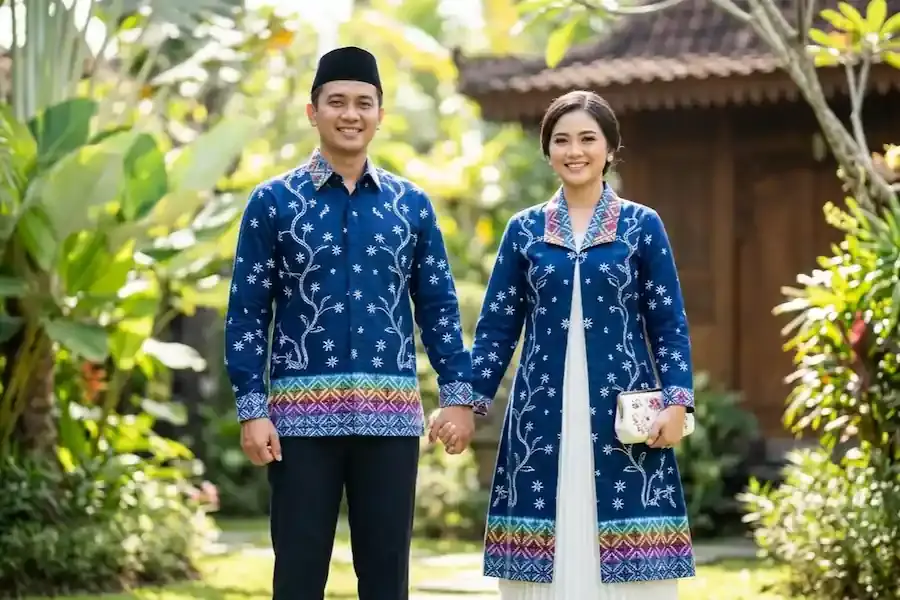
This traditional cap is frequently worn during cultural ceremonies, traditional performances, religious events, and various customary rituals. In certain formal occasions, it also forms an essential part of traditional Banjar men's attire.
In the past, it was common for elder men to wear a Kopiah Jangang whenever they traveled. Wearing a kopiah was considered a symbol of courtesy and respect within the community.
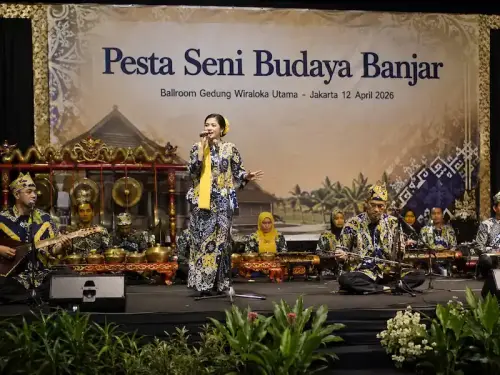
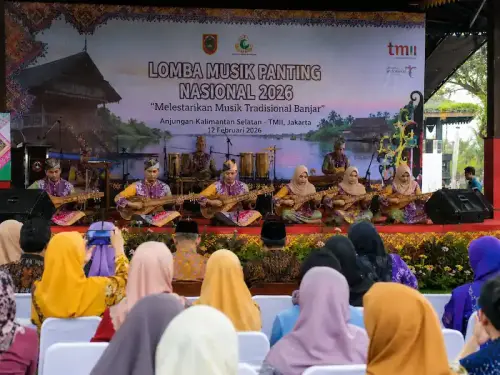
It is therefore not surprising that the Kopiah Jangang continues to appear prominently in cultural festivals and artistic performances showcasing the rich traditions of South Kalimantan.
A Symbol of Prestige and Social Status
Interestingly, the Kopiah Jangang does not feature specific decorative motifs like Sasirangan fabric. Nevertheless, it carries strong symbolic significance.
The crown-shaped upper section alone is enough to represent social standing, dignity, and authority. As a result, the Kopiah Jangang is often worn by traditional leaders, respected community figures, and prominent individuals within Banjar society.
In traditional culture, the clothing and accessories a person wears often reflect their position within society. The Kopiah Jangang is a powerful example of how a seemingly simple object can embody profound philosophical meaning.
From Cultural Heritage to a Distinctive South Kalimantan Souvenir
As modern fashion trends became increasingly popular, the use of the Kopiah Jangang experienced a period of decline. Younger generations often preferred headwear that was considered more practical and fashionable.
In recent years, however, awareness of the importance of preserving local culture has grown significantly. The Kopiah Jangang has regained attention as a symbol of Banjar cultural identity.
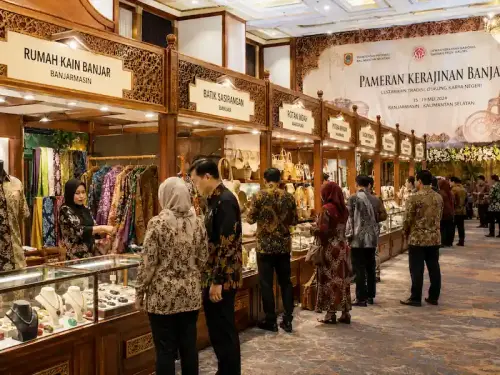
Local artisans have introduced innovations while preserving the traditional form, adapting certain design elements to appeal to contemporary markets. As a result, the Kopiah Jangang is now not only worn during cultural events but has also become a distinctive souvenir sought by visitors to South Kalimantan.
Many travelers visiting Banjarmasin look for Kopiah Jangang as a unique keepsake because it is rarely found elsewhere in Indonesia.
Preserving Kopiah Jangang in the Modern Era
The preservation of the Kopiah Jangang presents both challenges and opportunities for the Banjar community today. On one hand, modernization has caused many traditional cultural products to fade from everyday use. On the other hand, the growing popularity of cultural tourism has created new opportunities for this traditional craft to thrive.
The role of artisans is crucial, as they are the guardians of the traditional knowledge and techniques used to create these caps. Equally important is the involvement of younger generations in learning and developing the craft to ensure its survival in the future.
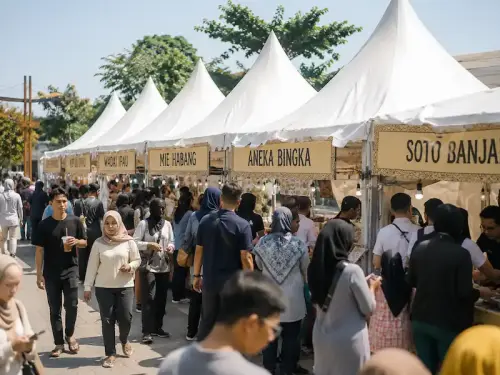
Cultural festivals, SME exhibitions, tourism promotions, and digital media have become effective platforms for introducing the Kopiah Jangang to broader audiences both within Indonesia and abroad.
Conclusion
The Kopiah Jangang is far more than a traditional hat. It is a symbol of identity, honor, and pride for the Banjar people, passed down from one generation to the next.
With its crown-like shape, natural materials sourced from the forests of Kalimantan, and philosophical meaning representing prestige and dignity, the Kopiah Jangang stands as one of the most fascinating cultural treasures of South Kalimantan.
Amid the rapid pace of modernization, the continued existence of the Kopiah Jangang serves as a reminder that local culture possesses irreplaceable value. Preserving it means safeguarding the history, identity, and wisdom of the Banjar people so that future generations can continue to appreciate and celebrate this remarkable heritage.