
A Meaningful Qur'an Completion Tradition
Batamat Al-Qur'an in Banjar is one of the religious traditions that remains alive and highly respected among the Banjar people of South Kalimantan. This tradition marks the completion of reading all 30 chapters (juz) of the Qur'an and is celebrated through a special ceremony filled with prayers, gratitude, and a spirit of togetherness.
For the Banjar community, batamat is not merely a ceremonial event but also an important part of their Islamic cultural identity that has been passed down from generation to generation and has become a distinctive characteristic of their society.
This tradition is commonly held when a child completes Qur'anic studies, during the month of Ramadan, or before a wedding ceremony. In some areas, batamat is also celebrated collectively in mosques or prayer halls as a communal expression of gratitude.
As such, Batamat Al-Qur'an is one of the traditions that demonstrates how the Banjar people maintain a close relationship between religion and culture while showing their commitment to Islamic education from an early age.
The Meaning of Batamat Al-Qur'an
The word batamat is derived from the Arabic-rooted word "tamat," which means completed or finished. In the context of Banjar society, batamat refers to the completion of reading the Qur'an in its entirety, followed by a special ceremony or celebration.
This tradition carries a profound sense of gratitude because successfully completing the recitation of the Qur'an is regarded as an important achievement in a Muslim's life, worthy of celebration with family and the community.
More than that, batamat also serves as a symbol of respect for the Qur'an as the holy book of Islam.
The Banjar people view it as a sacred occasion that deserves to be celebrated with family members, Qur'an teachers (commonly called ustadz or pandita), and the surrounding community. In this way, the tradition not only emphasizes the importance of religious education but also reflects the strong spirit of togetherness within Banjar society, where people support one another in acts of goodness.
History and Origins of the Tradition
Historically, Batamat Al-Qur'an in Banjar is closely related to the tradition of khatmil Qur'an in the Islamic world, a practice that has existed since the medieval period. Over time, this practice blended with local Banjar culture and evolved into a distinctive and unique tradition.
Many sources state that this tradition has long existed in the Land of Banjar and has been preserved from generation to generation, even before Islam was formally established throughout the region of South Kalimantan.
Some perspectives also connect the roots of batamat to the practices of the prophets and the companions of the Prophet Muhammad, who completed the recitation of the Qur'an as an act of devotion. From these influences, the tradition gradually developed into a more structured and festive local practice in Banjar society.
This demonstrates that the Banjar people not only embraced Islamic teachings but also adapted them to local cultural traditions, resulting in a living and meaningful heritage. Several historical records mention that the batamat tradition grew significantly during the era of the Banjar Sultanate (16th–17th centuries), when Islam became the primary identity of the community.
When the Tradition Is Performed
Batamat Al-Qur'an is usually performed during several important moments in the lives of the Banjar people. The most common occasion is when a child or Islamic student completes the recitation of all 30 chapters of the Qur'an at a madrasah, Qur'anic Education Center (TPQ), or Islamic school. This milestone is often a source of pride for both the family and the Qur'an teacher, as it marks the successful completion of years of religious education.
In addition, batamat is frequently held during the month of Ramadan, particularly after completing a month-long Qur'an recitation program. In some Banjar families, the tradition is also performed before a wedding as a prayer and blessing that the future household will be built upon the values and teachings of the Qur'an. During the ceremony, the atmosphere is usually solemn yet warm and joyful, attended by extended family members, neighbors, and friends.
The Ceremony and Its Process
The batamat ceremony generally begins with the recitation of Qur'anic verses, often from Juz Amma or the final sections of the Qur'an. The person completing the Qur'an recites these verses before family members, teachers, and guests as a sign that they have successfully completed the full reading of the Qur'an.
After the recitation is completed, the event continues with the Khatam Al-Qur'an prayer, led by a religious leader or Qur'an teacher, during which all participants collectively seek forgiveness and blessings from Allah.
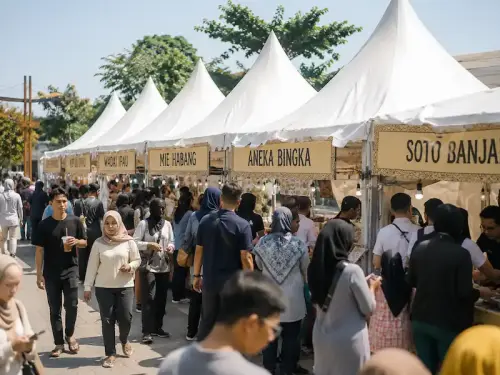
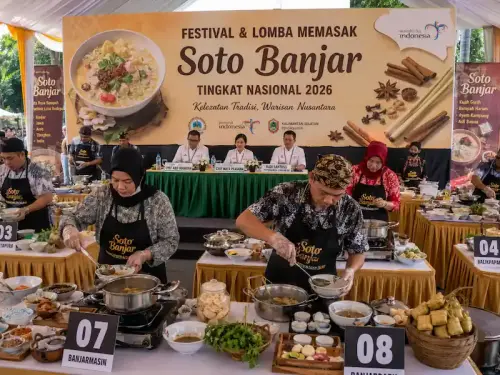
In some local traditions, the ceremony is followed by a communal feast known as a syukuran (thanksgiving gathering). The dishes served typically include yellow rice, traditional Banjar cakes such as amparan tatak, bingka, lupis, putu mayang, and wajik, as well as regional specialties like masak habang, gulai, and Soto Banjar.
All of these symbolize gratitude while also serving as a gesture of respect toward the guests. Other cultural elements may also accompany the celebration, such as the presentation of gifts including a copy of the Qur'an, a sarong, a songkok (traditional cap), or fragrant flower arrangements for the person who has completed the recitation. These customs reinforce the idea that batamat is not merely a reading ceremony but also an important social and spiritual event.
Social and Cultural Values
Batamat Al-Qur'an in Banjar carries strong social values that make it an important part of community life. The tradition brings together extended family members, neighbors, Qur'an teachers, and the surrounding community in a joyful occasion that strengthens social bonds.
Within this tradition are elements of education, appreciation, and togetherness that are distinctly Banjar in character. Children who successfully complete the Qur'an not only receive recognition but are also encouraged to remain close to Islamic teachings and continue their religious education.
From a cultural perspective, batamat demonstrates how the Banjar people have preserved Islamic traditions in a living and contextual form. Religious values do not stand apart from local customs but blend harmoniously with them, creating a unique and distinctive tradition.
This is one of the reasons why Banjar traditions remain relevant today, despite ongoing social change and the influence of global culture. The batamat tradition also serves as a means of cultural transmission, encouraging younger generations to learn about and preserve Banjar Islamic heritage.
Batamat in the Modern Era
In the modern era, the Batamat Al-Qur'an tradition continues to thrive and evolve within Banjar society. Some changes have occurred in its implementation, including the use of social media to share event documentation, the adoption of modern organizational systems, and more structured event management.
However, its core values of gratitude, prayer, and togetherness remain firmly preserved.
Several madrasahs and Islamic schools throughout South Kalimantan now organize mass batamat ceremonies as a form of appreciation for students who have successfully completed the Qur'an. This provides an opportunity to introduce the tradition to younger generations who are increasingly exposed to global culture.
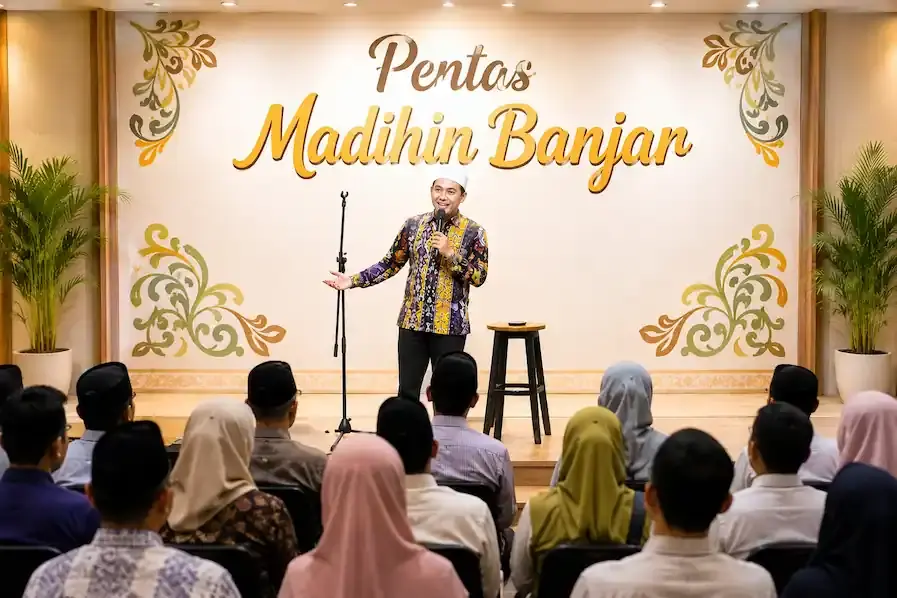
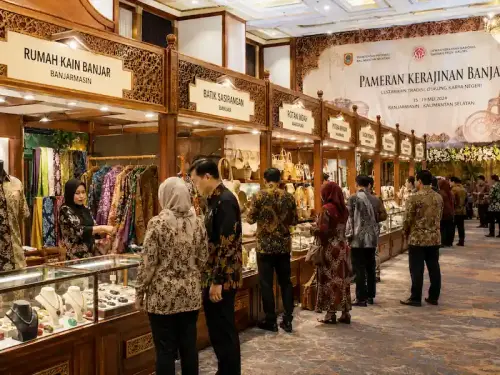
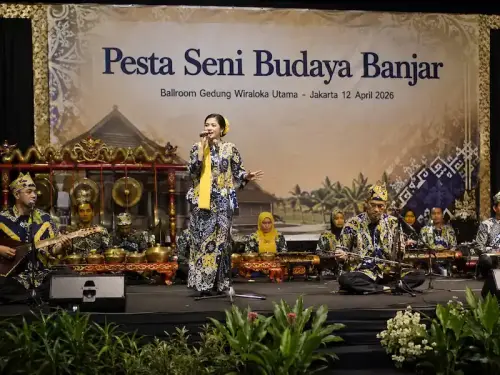
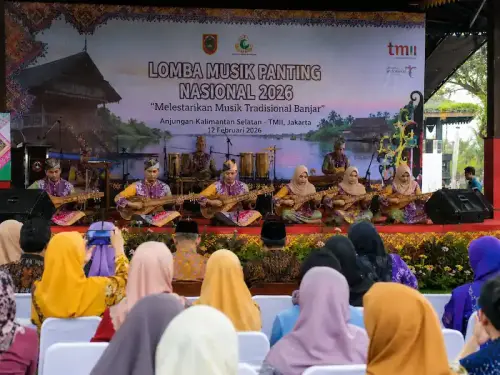
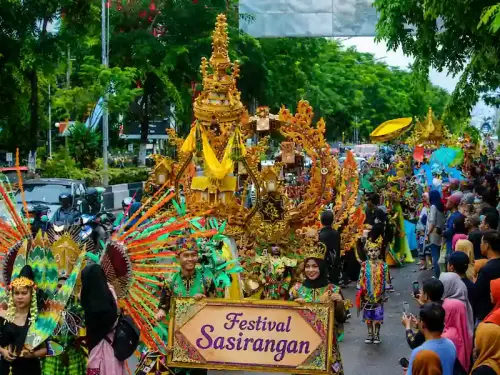
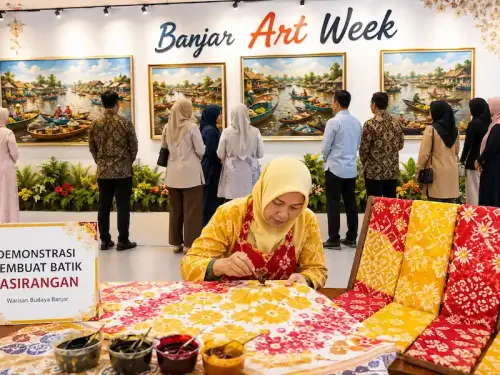
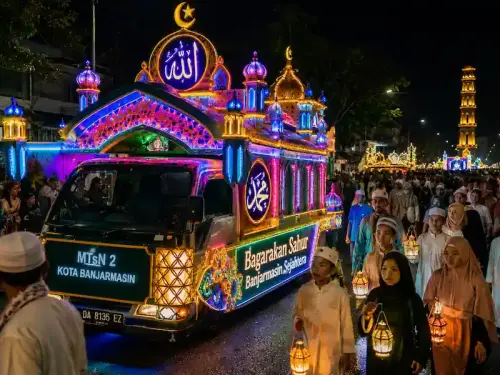
In addition, Islamic cultural festivals in South Kalimantan often feature batamat as one of their main events, helping the tradition gain broader recognition among the public.
Conclusion
Batamat Al-Qur'an in Banjar is a beautiful tradition because it combines worship, culture, and community spirit in a meaningful and harmonious celebration. From its long history to its prayer-filled ceremonial process, the tradition reflects the strong relationship between the Banjar people and the Qur'an as a source of guidance and light in life.
Batamat is not merely a sign that someone has completed reading all 30 chapters of the Qur'an; it is also a symbol of gratitude, religious education, and cultural heritage that deserves to be preserved for future generations.
For anyone interested in gaining a deeper understanding of Banjar culture, Batamat Al-Qur'an is one of the most fascinating traditions to learn about and witness. Through it, we can see how Islamic values are expressed within local traditions in a manner that is warm, dignified, and deeply meaningful.
Preserving the batamat tradition means safeguarding the Islamic cultural identity of the Banjar people and passing it on to future generations so that it may continue to live and flourish amid changing times.