
A Cultural Heritage of South Kalimantan That Continues to Resonate Today
Getting to Know the Panting, an Icon of Banjar Traditional Music
South Kalimantan is home to a wealth of cultural traditions that have survived to the present day. One of the most distinctive is the panting, a traditional stringed instrument that has become a symbol of the musical heritage of the Banjar people. Its melodious, rhythmic, and distinctive sound makes it an essential element in various traditional performing arts throughout the region.
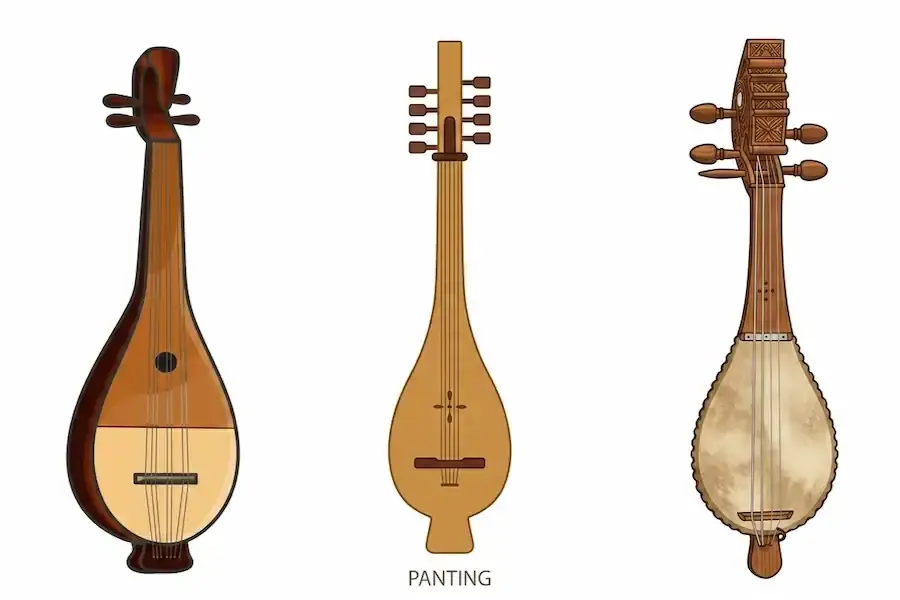
In terms of appearance, the panting resembles a small guitar or mandolin. Its body is slimmer and lacks the curved contours commonly found on modern guitars. Despite its simple design, this instrument produces a unique tonal quality and serves as the centerpiece of Panting music performances, a traditional musical art form that flourishes in South Kalimantan.
The name "panting" is believed to originate from the way it is played, namely by plucking its strings. This plucking technique creates distinctive melodic patterns that have become a hallmark of Banjar traditional music.
The Long History of Panting in Banjar Culture
The panting instrument is estimated to have been known since the 18th century and the early 19th century. Its development coincided with the rise of Japin Dance, a traditional dance influenced by Malay and Islamic cultural traditions in South Kalimantan.
Pandaan Village in Tapin Regency is often regarded as one of the main centers where Panting music flourished. From this area, the art form spread to other regions such as Rantau Bujur, Tatakan, Tambarangan, and Pematang Sungkai. Over time, Panting music evolved beyond its role as an accompaniment to Japin Dance and became an integral part of many other traditional performances.
As the years passed, Panting music developed into a performance art of its own. The Banjar community began using it to accompany traditional ceremonies, social gatherings, and important regional celebrations. Eventually, the panting became a cultural symbol that strengthened the artistic identity of South Kalimantan.
The Unique Design and Materials of the Panting
One of the most fascinating aspects of the panting is its shape and the traditional craftsmanship used in its construction. The instrument is generally made from locally sourced wood that is readily available in South Kalimantan.
Common types of wood used include jackfruit wood, rengas wood, laban wood, and kemuning wood. The choice of wood greatly affects the quality of the sound produced. Dense woods tend to provide better resonance and a brighter tone.
The resonator, or main body of the panting, is usually covered with dried goat skin or snake skin. This layer helps amplify vibrations when the strings are plucked, enhancing the instrument's acoustic qualities.
In general, the panting consists of several main components, including the headstock where the tuning pegs are located, the elongated neck, the resonating body, the strings, and the lower base section known as the "pohon panting."
The instrument typically retains the natural color of the wood from which it is crafted. Its surface is often decorated with traditional Banjar carvings featuring floral motifs and ornamental patterns, adding both artistic and cultural value.
How the Panting Instrument Is Played
The panting is played by plucking its strings using either the fingers or a special plectrum. Within a traditional music ensemble, several types of panting instruments may be used, each serving a different musical function.
The panting pembawa carries the main melody of the composition. The panting paningkah provides melodic variations and enriches the harmony, while the panting panggulung complements the rhythmic and melodic structure of the performance.
These three types of panting are played simultaneously using an interlocking technique, in which each instrument complements the others. This approach creates dynamic and harmonious musical patterns that define the unique character of Banjar music.
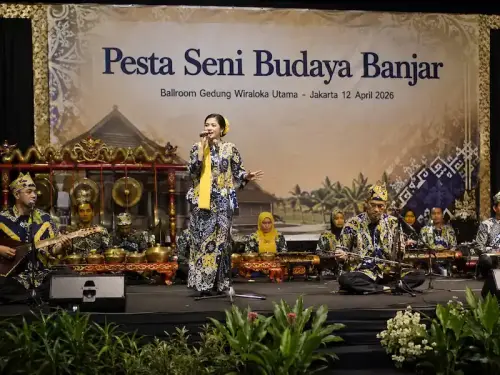
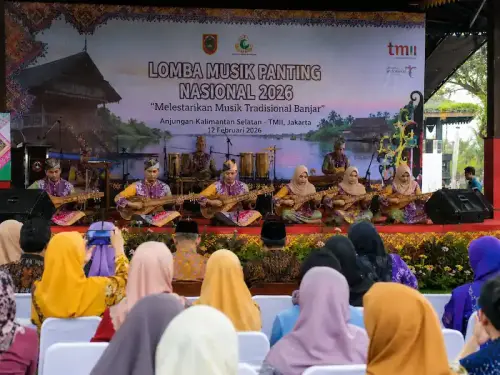
In a complete performance, the panting is usually accompanied by other instruments such as flutes, violins, babun drums, kempul gongs, marawis drums, ketipung drums, and tambourines. The combination of these instruments creates a lively atmosphere and supports various forms of traditional performing arts.
The Role of Panting in the Life of South Kalimantan Communities
Historically, the panting was primarily associated with accompanying Japin Dance. Today, however, its use has expanded significantly. This traditional instrument can be found in a wide range of cultural and social activities within the Banjar community.
During traditional Banjar wedding ceremonies, Panting music is often performed to welcome guests and accompany certain ceremonial processions. It also plays an important role in various customary rituals, helping preserve ancestral traditions.
In addition, Panting music is frequently featured at city anniversary celebrations, cultural festivals, government events, official welcoming ceremonies, and artistic performances held throughout South Kalimantan.
Cultural festivals that showcase Panting performances serve as important platforms for introducing Banjar cultural heritage to younger generations and visiting tourists alike.
Challenges in Preserving the Panting Instrument
Despite its high cultural value, the panting faces significant challenges in the modern era. The growing popularity of contemporary music genres has led to a decline in younger generations' interest in traditional musical instruments.
The number of panting craftsmen is also much smaller than it once was. Today, only a handful of artisans continue to build these instruments by hand. The specialized skills required and the lengthy production process are among the reasons why the number of craftsmen continues to decrease.
Nevertheless, a number of artists and young craftsmen in South Kalimantan remain committed to preserving the tradition. They produce panting instruments for cultural performances, educational purposes, and private collections owned by enthusiasts of traditional music.
Technological advancements have also contributed to preservation efforts. Panting instruments are now marketed through social media and online marketplaces, making them more accessible and recognizable to a wider audience.
Panting as a Cultural Heritage Worth Preserving
The panting is far more than a traditional musical instrument. Behind every plucked string lies a rich history, a strong cultural identity, and the values of Banjar society passed down through generations.
The existence of the panting demonstrates how the people of South Kalimantan have created a unique art form with a distinctive character. Its unmistakable sound serves as a reminder of a local cultural heritage that cannot be found elsewhere.
Preserving the panting is a shared responsibility involving governments, artists, educational institutions, and the wider community. By continuing to introduce and perform Panting music in cultural activities, this valuable heritage can remain alive and appreciated by future generations.
Amid the rapid pace of modernization, the panting remains a source of pride for the Banjar people. Its beautiful melodies continue to resonate as a testament to the rich history and invaluable cultural heritage of South Kalimantan.