

The Light of Ramadan as a Cultural Heritage of the Banjar People
Amid the vibrant atmosphere of the holy month of Ramadan, the Banjar people preserve a unique and deeply meaningful tradition known as the Tanglong Festival. For the people of South Kalimantan, this festival is far more than a parade of decorative lanterns or a visually stunning spectacle.
The Tanglong Festival symbolizes togetherness, spirituality, and a deep appreciation for cultural heritage that has been passed down from generation to generation.
The word “tanglong” in the Banjar language refers to decorative lanterns made from simple materials such as bamboo, rattan, paper, and cloth. When night falls, these lanterns glow beautifully, creating a warm and hopeful religious atmosphere.
The light they emit not only illuminates the surroundings but also symbolizes the enlightenment of the heart in welcoming the blessings of Ramadan.
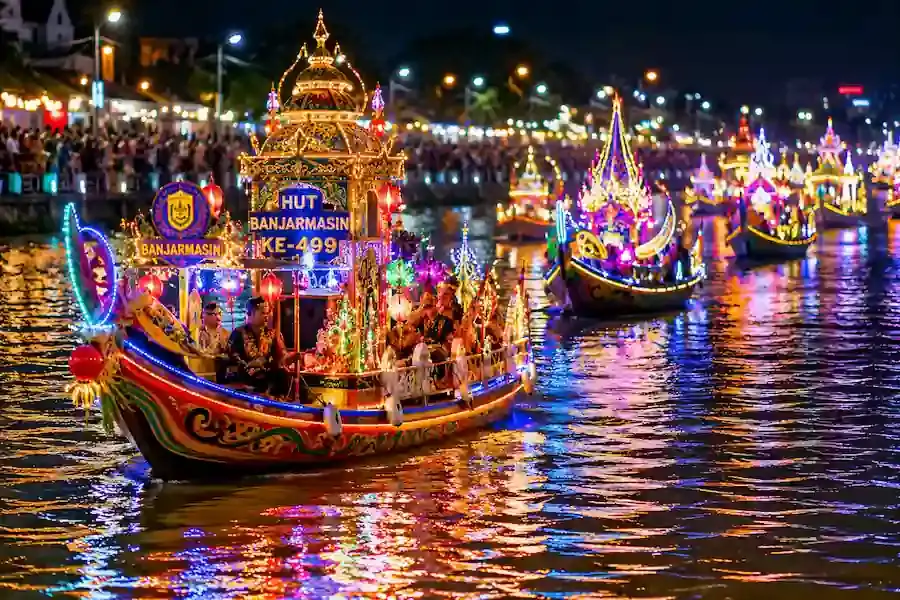
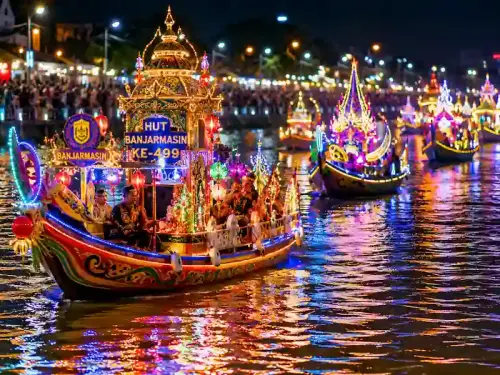
As time has progressed, the Tanglong Festival has evolved beyond traditional lantern processions on land. In Banjarmasin, famously known as the City of a Thousand Rivers, the tradition has developed into a decorated boat parade that utilizes the river as its main stage.
Traditional Banjar boats are adorned with sparkling lights and cultural decorations, creating a spectacular sight along the waters of the Martapura River.
Historical Roots in the Badadamaran Tradition
The Tanglong Festival has deep historical roots within Banjar society. Before becoming known as the Tanglong Festival, this tradition was called Badadamaran. The name originated from the use of damar, a type of tree resin traditionally used as fuel for oil lamps.
In the past, before electricity reached many areas, people relied on damar lamps as a source of illumination. During special nights in Ramadan, these lamps were lit and carried around villages in festive processions.
The rows of glowing lights along village roads created an atmosphere that was both sacred and celebratory.
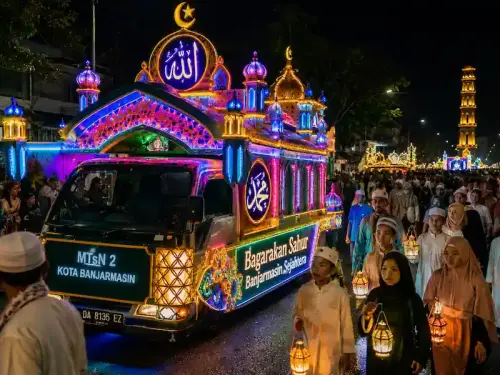
This tradition was also closely associated with Bagarakan Sahur, the custom of waking residents for the pre-dawn meal through communal parades and group activities. From this practice emerged the habit of decorating lights and carrying lanterns as part of Ramadan celebrations.
As damar became increasingly difficult to obtain, communities began using kerosene lamps with cloth wicks. Later, modern electric lighting and LED technology gradually replaced traditional oil lamps.
Although the source of illumination changed, the spirit and cultural values embedded within the tradition have remained intact to this day.
Profound Spiritual Significance
One of the aspects that distinguishes the Tanglong Festival from ordinary lantern festivals is its strong religious significance.
The tradition is closely connected to honoring special nights during Ramadan, particularly Nuzulul Qur’an, the odd-numbered nights believed to contain Laylat al-Qadr, and the period leading up to Eid al-Fitr.
For the Banjar people, the light of the tanglong symbolizes hope for divine guidance and blessings from Allah SWT. The glowing lanterns represent humanity’s journey toward goodness, faith, and spiritual enlightenment.
The festival atmosphere is typically filled with a strong sense of religiosity. People gather together, interact with one another, and enjoy the beauty of the lights while continuing to uphold the Islamic values that form the foundation of this tradition.
This is why the Tanglong Festival is viewed not merely as entertainment but also as a living expression of spirituality and culture within the community.
Transformation into a Cultural Tourism Festival
Over time, the Tanglong Festival has undergone a remarkable transformation. What once consisted of simple lantern processions within villages has become one of the most important cultural and tourism events in South Kalimantan.
Banjarmasin has successfully elevated this tradition to a broader audience through the Tanglong Decorated Boat Festival. The Martapura River, which divides the city, is transformed into a giant stage where traditional boats sail with magnificent decorations and colorful lighting displays.
The uniqueness of this festival lies in the combination of river culture and Banjar Islamic traditions. The reflections of light on the water create a breathtaking nighttime panorama.
Thousands of spectators usually gather to watch decorated jukung and kelotok boats glide slowly along the river, carrying cultural and religious themes.
This transformation demonstrates how local traditions can adapt to changing times without losing their original identity.
The Artistic Beauty of Every Tanglong
One of the festival’s main attractions is the creativity expressed in every tanglong creation. Modern tanglong lanterns are no longer simple lanterns but have evolved into detailed artistic installations.
The framework is typically constructed from bamboo or rattan, carefully assembled by skilled craftsmen. The exterior is then covered with colorful paper or fabric and decorated to form various attractive shapes and patterns.
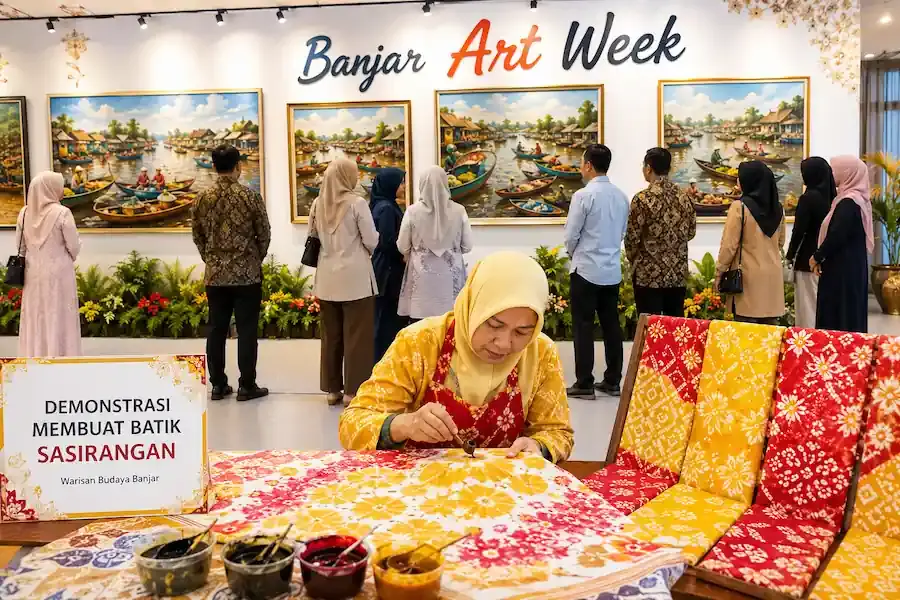
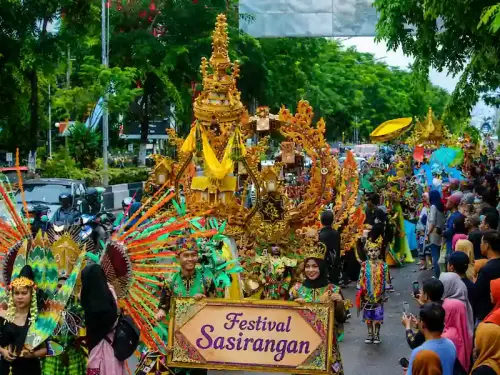
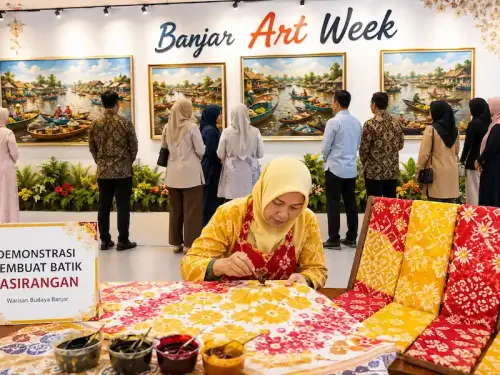
Miniature mosques, Islamic calligraphy, traditional Banjar ornaments, and Sasirangan motifs—the cultural identity of South Kalimantan—are commonly featured. In decorated boat festivals, the displays may even include moving sculptures, dynamic lighting systems, and impressive visual effects.
These creations reflect the ability of local artists to blend traditional and modern elements. Each tanglong becomes a medium of expression that showcases the richness of Banjar creativity.
A Driver of the Creative Economy
Beyond its cultural and spiritual significance, the Tanglong Festival also generates considerable economic benefits. Festival preparations involve numerous groups, including bamboo craftsmen, decoration makers, artists, and small business owners who provide supporting materials and services.
The creation of tanglong lanterns and decorated boats requires specialized skills that generate employment opportunities for local communities. Many local artists earn income through design services, decorative installations, and festival equipment rentals.
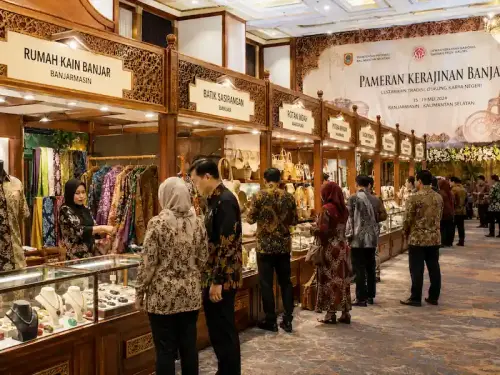
At the same time, the arrival of tourists contributes to the growth of other sectors of the economy. Traditional Banjar cuisine, handicrafts, and various local products gain valuable exposure to visitors.
As a result, the Tanglong Festival not only preserves cultural heritage but also serves as a catalyst for the creative economy, delivering tangible benefits to local communities.
A World-Class Tourism Attraction
In recent years, the Tanglong Festival has become increasingly recognized as one of South Kalimantan’s most iconic cultural tourism attractions. Its unique blend of Islamic traditions, river culture, and light artistry sets it apart from other festivals across Indonesia.
Visitors are not only treated to beautiful illuminated displays but are also able to experience the distinctive Ramadan atmosphere of the Banjar people. The warm hospitality of local residents and the richness of regional culture create an experience that is difficult to find elsewhere.
The festival stands as proof that local traditions can evolve into modern tourism attractions without losing their cultural roots. Lanterns that once illuminated village pathways have become symbols of Banjar cultural identity, shining brightly on a national stage.
Conclusion
The Tanglong Festival is one of the most valuable cultural heritages of the Banjar people. Originating from the simple tradition of using damar lamps, it has grown into a cultural celebration that combines Islamic values, artistic creativity, river life, and the spirit of community.
Behind its dazzling lights and beautiful decorations lies a deeper message about preserving tradition, honoring the spiritual significance of Ramadan, and maintaining cultural identity amid the forces of modernization.
The Tanglong Festival is not only about the light visible to the eye but also about the cultural light that continues to live within the hearts of the people of South Kalimantan from one generation to the next.