
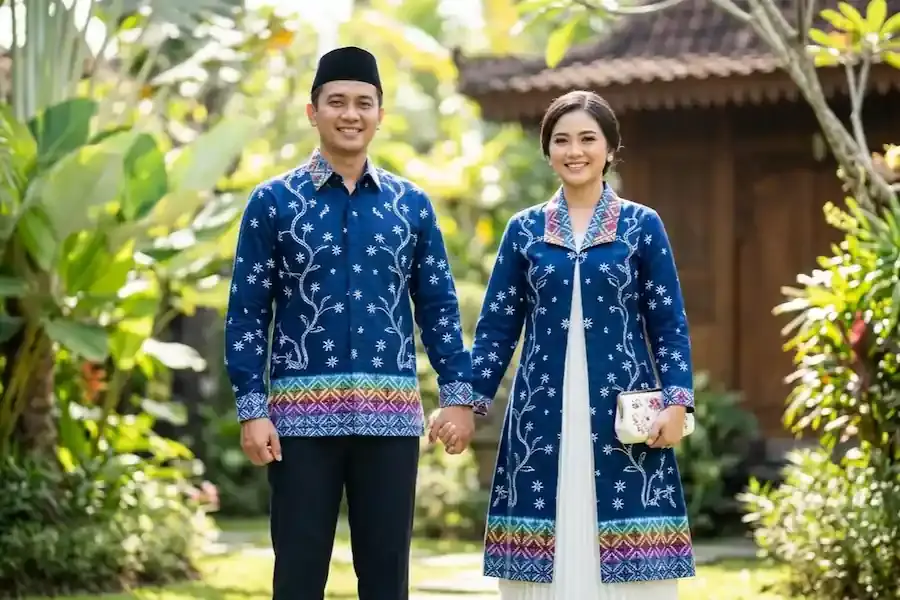
The Sacred Cultural Heritage of the Banjar People, Recognized Worldwide
When discussing the culture of South Kalimantan, one of the most renowned cultural treasures is Sasirangan Cloth. For the Banjar people, Sasirangan is not merely a traditional fabric; it is a symbol of identity, history, philosophy, and cultural pride that has been passed down through generations for centuries.
This distinctive textile features unique patterns that set it apart from other traditional fabrics in Indonesia. At first glance, its production technique may resemble tie-dye textiles, but Sasirangan carries a much deeper cultural significance.
Every motif, color, and stage of its creation embodies philosophical meanings closely connected to the lives and traditions of the Banjar community.
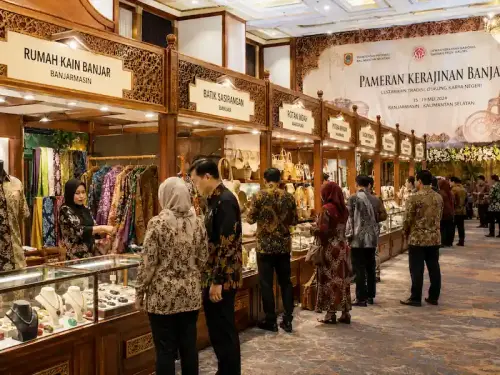
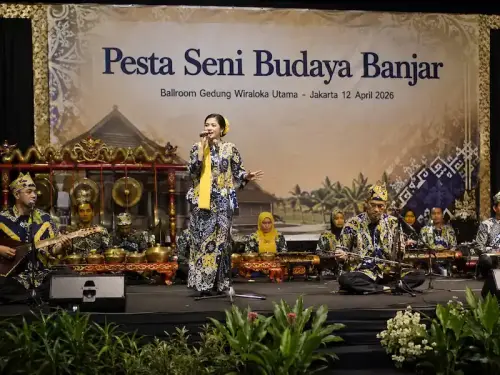
Today, Sasirangan has evolved into one of South Kalimantan’s most recognizable cultural icons. It is widely used in official ceremonies, government events, the fashion industry, and has become a favorite souvenir among visitors to Banjarmasin, Banjarbaru, and Martapura.
The Long History of Sasirangan Since the Banjar Kingdom Era
The origins of Sasirangan are believed to date back to the 12th to 14th centuries during the era of the Negara Dipa Kingdom, considered the predecessor of the Banjar Kingdom.
According to a famous Banjar legend, Patih Lambung Mangkurat meditated for forty days and forty nights on a raft floating along a river.
At the end of his meditation, a mysterious figure known as Putri Junjung Buih emerged from the river foam and later became an important figure in Banjar history.
Before agreeing to appear on land, Putri Junjung Buih imposed several conditions. One of them was the creation of a special cloth woven and dyed within a single day by forty young women.
The cloth was decorated with the Padiwaringin motif and colored in a golden yellow shade.
According to Banjar folklore, this cloth became the forerunner of what is now known as Sasirangan.
Because of its roots in royal traditions and sacred rituals, Sasirangan originally served not only as clothing but also held significant spiritual importance within Banjar society.
The Origin of the Name Sasirangan
The name "Sasirangan" originates from the Banjar words sirang or manyirang , which mean "to baste" or "to hand-stitch."
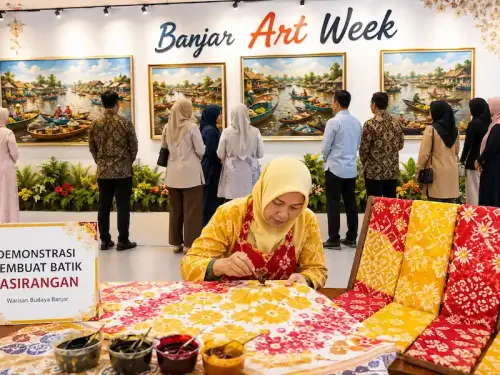
The name directly reflects the cloth-making technique. Before being dyed, the fabric is hand-stitched along a predetermined pattern using a basting method. The stitched sections are then tightly pulled and tied to prevent dye from penetrating those areas.
Once the dyeing process is completed, the stitches are removed, revealing the distinctive motifs that define Sasirangan.
This unique technique ensures that every piece of Sasirangan possesses its own character and is rarely identical to another.
The “Pamintaan Cloth” Believed to Possess Spiritual Power
In the past, Sasirangan was widely known as Kain Pamintaan , or "custom-requested cloth."
It earned this name because it was traditionally created upon special request for specific purposes, particularly traditional healing rituals and ceremonial practices.
Ancient Banjar communities believed that each color possessed symbolic powers associated with particular health conditions.
For example:
- Yellow was believed to help those suffering from jaundice.
- Red was associated with relieving headaches and sleep disorders.
- Green was believed to aid recovery from paralysis or stroke.
- Purple was associated with digestive ailments.
- Black was believed to help treat fever and skin diseases.
- Brown was thought to calm emotional distress and stress-related conditions.
Because of its spiritual significance, the creation of Sasirangan was often accompanied by special rituals and prayers.
Although its spiritual function has gradually diminished over time, its philosophical and historical values remain an integral part of Banjar cultural identity.
The Unique Sasirangan-Making Technique
One of Sasirangan’s greatest attractions lies in its intricate production process, which requires exceptional precision and craftsmanship.
The process begins by sketching a pattern onto the fabric. Artisans then create hand-stitched running stitches following the chosen design.
The threads are pulled tightly and bound, forming sections that resist dye during the coloring process.
The cloth is then immersed in dye. After the color has fully penetrated and the fabric has dried, the ties and stitches are removed, revealing distinctive patterns with striking lines and unique shapes.
Although modern technology has assisted production, many Sasirangan artisans continue to preserve traditional methods, believing they produce superior quality and artistic value.
Sasirangan Motifs Rich in Philosophy
One of Sasirangan’s most remarkable features is the richness of its motifs.
Most designs are inspired by the Banjar people’s observations of the natural environment around them.
Iris Pudak
Inspired by slices of the pudak leaf commonly found in South Kalimantan. This motif symbolizes purity and positive aspirations.
Ombak Sinapur Karang
Depicts waves crashing against coral rocks. Its philosophy represents resilience and determination in facing life’s challenges.
Bintang Bahambur
Represents stars scattered across the night sky, symbolizing hope, ambition, and a bright future.
Naga Balimbur
Inspired by the image of a dragon, symbolizing strength and protection.
Daun Jeruju
Inspired by the jeruju plant that grows in coastal and swamp areas. It symbolizes adaptability and resilience.
Kambang Raja and Bayam Raja
Motifs traditionally associated with grandeur, prestige, and honor.
In addition to these classic motifs, contemporary artisans continue to innovate by creating new designs that blend traditional elements with modern fashion trends.
Natural Dyes Derived from Kalimantan’s Rich Environment
Historically, all Sasirangan colors were obtained from natural materials found in the surrounding environment.
These included:
- Turmeric and Java turmeric for yellow.
- Noni fruit for red.
- Kabuau leaves for green.
- Gandaria seeds for purple.
- Rambutan peel for brown.
The use of these natural ingredients demonstrates how the Banjar people wisely utilized their natural resources long before sustainability became a global trend.
From Traditional Attire to Contemporary Fashion
Originally, Sasirangan was used as:
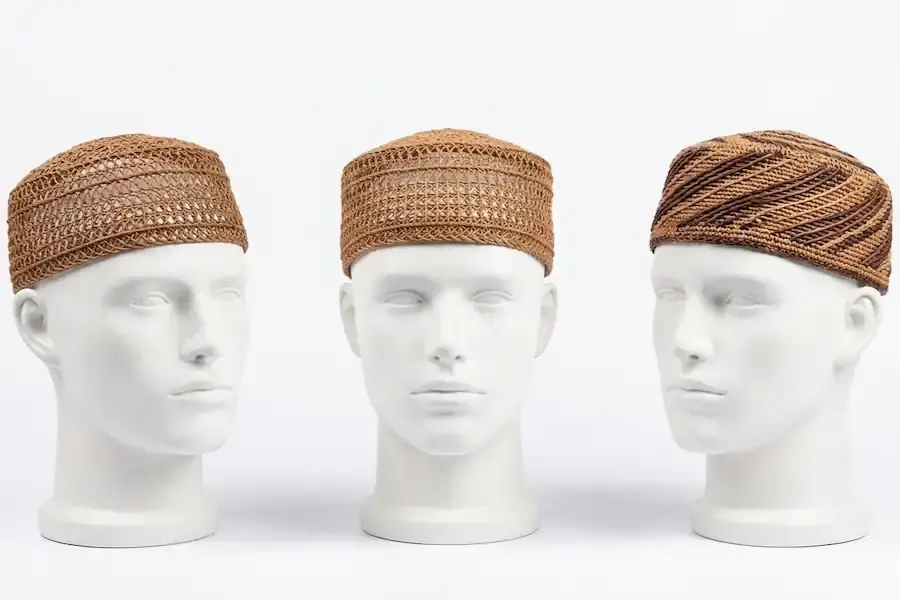
- Laung (traditional headwear).
- Tapih (sarong cloth).
- Traditional belts.
- Scarves.
- Head coverings.
- Kemben (traditional women's wrap garments).
Today, Sasirangan has evolved into a wide range of modern fashion products, including:
- Shirts.
- Blouses.
- Dresses.
- Suits.
- Hijabs.
- Bags.
- Wallets.
- Shoes.
- Accessories.
Many Indonesian fashion designers now incorporate Sasirangan into their collections, helping introduce Banjar culture to broader national and international audiences.
Kampung Sasirangan and Major Production Centers
For travelers who wish to witness the making of Sasirangan firsthand, the most famous destination is Kampung Sasirangan in Banjarmasin.
This area serves as both a production hub and a marketplace for various Sasirangan products.
Beyond Kampung Sasirangan, Banjar Regency also hosts a major production center in Kertakhanyar, complete with workshops and dedicated exhibition spaces.
Visitors can observe the production process, interact directly with artisans, and purchase authentic products directly from their makers.
The Role of Sasirangan in South Kalimantan’s Creative Economy
Today, Sasirangan has become one of the key drivers of South Kalimantan’s creative economy.
Thousands of people are involved throughout its production chain, including:
- Textile artisans.
- Natural dye producers.
- Tailors.
- Fashion designers.
- Merchants.
- Small and medium-sized enterprises (SMEs).
The Sasirangan industry not only preserves cultural heritage but also creates employment opportunities and improves the welfare of local communities.
As a result, Sasirangan has become an essential element of South Kalimantan’s cultural and tourism promotion strategy.
Preserving a Valuable Banjar Cultural Heritage
In the face of modernization, Sasirangan encounters challenges from changing consumer preferences and competition from the modern textile industry.
Nevertheless, various preservation efforts continue through:
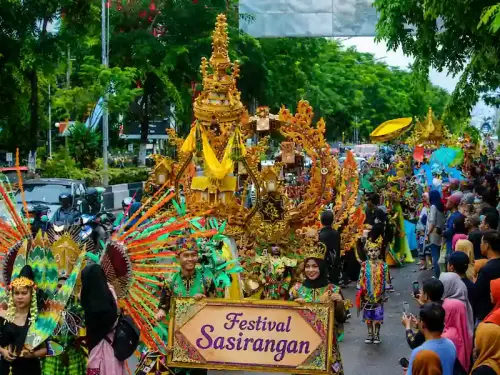
- Annual Sasirangan Festivals.
- Training programs for younger generations.
- Support for local SMEs.
- Cultural tourism promotion.
- Digital marketing initiatives.
Public awareness of the importance of preserving cultural identity continues to grow.
Young Banjar generations now wear Sasirangan not only during traditional ceremonies but also as part of a modern lifestyle that proudly reflects their cultural roots.
Conclusion
Sasirangan Cloth is far more than a traditional textile. It represents the long journey of Banjar history, culture, and philosophy that has endured from the era of the Negara Dipa Kingdom to the modern age.
Through its meaningful motifs, unique production techniques, and deeply rooted spiritual significance, Sasirangan stands as one of South Kalimantan’s most valuable cultural treasures.
For visitors, learning about Sasirangan means gaining a deeper understanding of the identity of the Banjar people.
For the people of South Kalimantan, Sasirangan remains a source of pride that connects the past, present, and future through a single piece of cloth rich in meaning.