
The Traditional Cake That Has Become a Ramadan Takjil Favorite
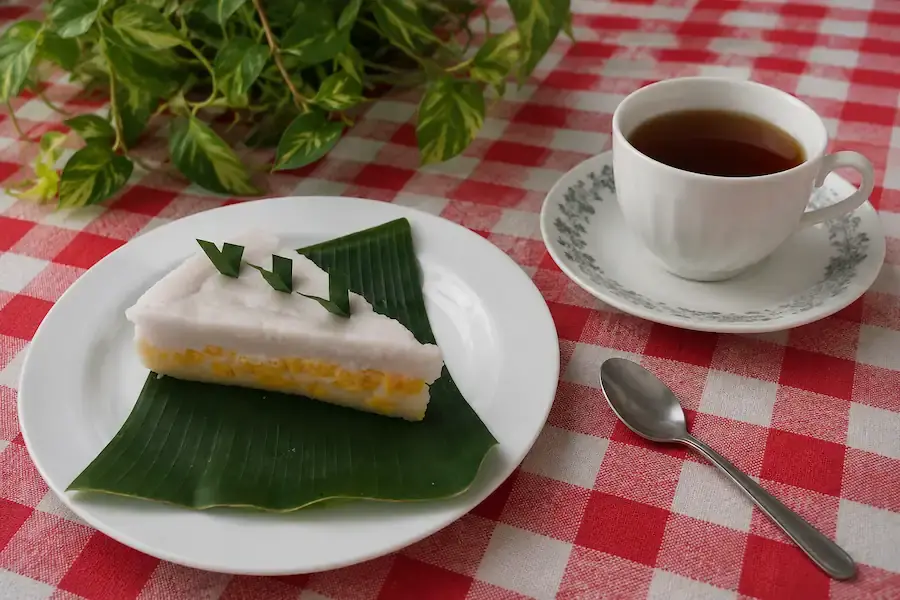
Among the dozens of traditional wadai cakes cherished by the Banjar people, there is one that can be recognized at a single glance. Its soft white color, pudding-like texture, and tempting slices of banana hidden inside make it instantly distinctive.
That cake is Wadai Amparan Tatak, one of South Kalimantan’s culinary treasures that continues to thrive despite the growing popularity of modern desserts.
For the Banjar community, Amparan Tatak is more than just an ordinary traditional cake. It is part of a long cultural history, once served exclusively among royal circles before eventually becoming a favorite treat enjoyed by people from all walks of life.
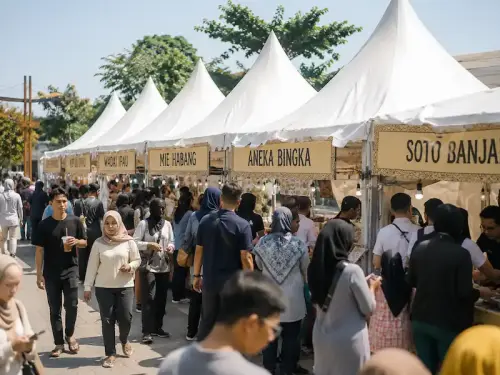
Today, whenever the month of Ramadan arrives, the name Amparan Tatak once again becomes widely discussed. This cake fills traditional wadai markets, iftar tables, and the display cases of traditional cake shops.
Its soft texture and balanced flavor have made it one of the most beloved takjil treats across generations.
Behind its simple appearance lies a fascinating story of kingdoms, traditions, and the culinary ingenuity of the Banjar people that has been passed down for centuries.
What Is Wadai in Banjar Tradition?
Before exploring Amparan Tatak in greater detail, it is important to understand the meaning of the word wadai.
In the Banjar language, wadai means cake or traditional snack. However, its significance extends far beyond simple refreshments.
Wadai is an important part of Banjar cultural identity and is always present during traditional ceremonies, thanksgiving events, weddings, and religious celebrations.
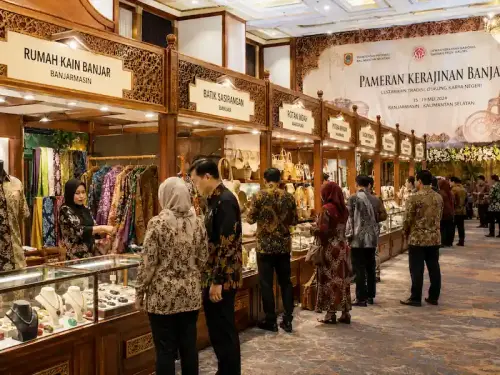
The Banjar people even have a famous tradition known as 41 Kinds of Wadai, in which dozens of traditional cakes are served at special events as a symbol of respect for guests and as a means of preserving cultural heritage.
Amparan Tatak is one of the most popular members of this large family of Banjar traditional cakes.
From Royal Tables to Traditional Markets
Not everyone knows that Amparan Tatak was once considered a food for the elite.
According to stories passed down through generations, this cake was originally served as a special delicacy for the nobility of the Banjar Kingdom and the Daha Kingdom.
At that time, certain foods symbolized social status because their ingredients were not always easily accessible to ordinary people.
Its delicate texture, high-quality coconut milk, and carefully selected bananas made Amparan Tatak a snack worthy of being served in royal courts.
As time passed, however, these social boundaries gradually faded. The recipe spread throughout the wider community and began to be prepared by Banjar families across the region.
Its popularity increased significantly during the 1970s when vendors started selling it regularly in traditional markets, especially during Ramadan.
Since then, Amparan Tatak has transformed from an exclusive royal delicacy into one of the most beloved traditional cakes in South Kalimantan.
A Name Inspired by the Way It Is Served
One of the most interesting aspects of Amparan Tatak is the origin of its name.
In the Banjar language, the word "tatak" means "to cut" or "to slice," while "amparan" refers to laying out or presenting something.
The name reflects the final stage of preparation. After the batter has been steamed until fully cooked, the cake is cut into pieces and arranged neatly before being served to guests.
This straightforward naming convention reflects the character of Banjar culture, where foods are often named according to their shape, function, or preparation method.
Although simple in meaning, the name Amparan Tatak has become a widely recognized culinary identity throughout South Kalimantan.
Simple Ingredients That Create Remarkable Flavor
One of the greatest strengths of Amparan Tatak is its ability to deliver delicious flavor using relatively simple ingredients.
The primary ingredients are rice flour, coconut milk, sugar, and bananas. There are no expensive spices or complicated cooking techniques involved. Yet it is precisely this simplicity that gives the cake its distinctive appeal.
Rice flour provides a soft and slightly chewy texture. Coconut milk contributes the savory richness that characterizes many Banjar dishes. Sugar adds gentle sweetness, while bananas provide their natural aroma and flavor.
The banana slices are typically placed at the bottom or in the middle of the batter before steaming. Once cooked, the banana pieces become clearly visible within the white cake layer, creating a simple yet appetizing appearance.
The result is a texture that falls somewhere between a pudding and a traditional steamed cake—soft when bitten, yet firm enough to be enjoyed as a satisfying snack.
Why Is It So Hard to Stop Eating?
There is a reason why Amparan Tatak is often described as addictive.
Its sweetness is gentle and never overwhelming. The richness of the coconut milk is perfectly balanced, while the banana adds a naturally fresh flavor to every bite.
Unlike many modern desserts that rely heavily on cream or large amounts of sugar, Amparan Tatak depends on harmony and balance.
As a result, many people find themselves enjoying several pieces at once without feeling overly full or tired of the flavor.
This is one of the secrets behind its enduring popularity, even as culinary trends continue to change over time.
A Ramadan Takjil Favorite
If there is one time of year when Amparan Tatak reaches the peak of its popularity, it is undoubtedly during Ramadan.
In traditional wadai markets throughout South Kalimantan, it is almost always among the first items to sell out. Many people specifically seek it out as an iftar dish because of its light texture and comforting flavor after a full day of fasting.
Amparan Tatak also pairs perfectly with various traditional beverages or a warm cup of tea, making it a favorite choice for families seeking a simple yet memorable takjil.
Interestingly, its popularity extends beyond South Kalimantan. Many Banjar people living elsewhere continue to search for it—or even make it themselves—as a way of reconnecting with memories of home.
Affordable, Beloved, and Rich in Meaning
Today, Amparan Tatak remains relatively affordable, typically selling for between IDR 10,000 and IDR 20,000 per piece or package, depending on size and location.
Its true value, however, lies far beyond its price.
Each piece of Amparan Tatak carries the story of a cake that was once reserved for royalty before becoming an everyday favorite among the Banjar people.
It also demonstrates that delicious food does not always require expensive ingredients or complicated preparation. Sometimes, a simple combination of rice flour, coconut milk, sugar, and bananas can create a culinary legacy that endures for centuries.
Amparan Tatak is more than just a traditional cake enjoyed during iftar. It is a symbol of simplicity, cultural heritage, and proof that traditional cuisine possesses a timeless appeal.
As long as the Banjar people continue to preserve its recipe and traditions, the gentle softness of Amparan Tatak will remain an important part of South Kalimantan’s proud culinary story.