
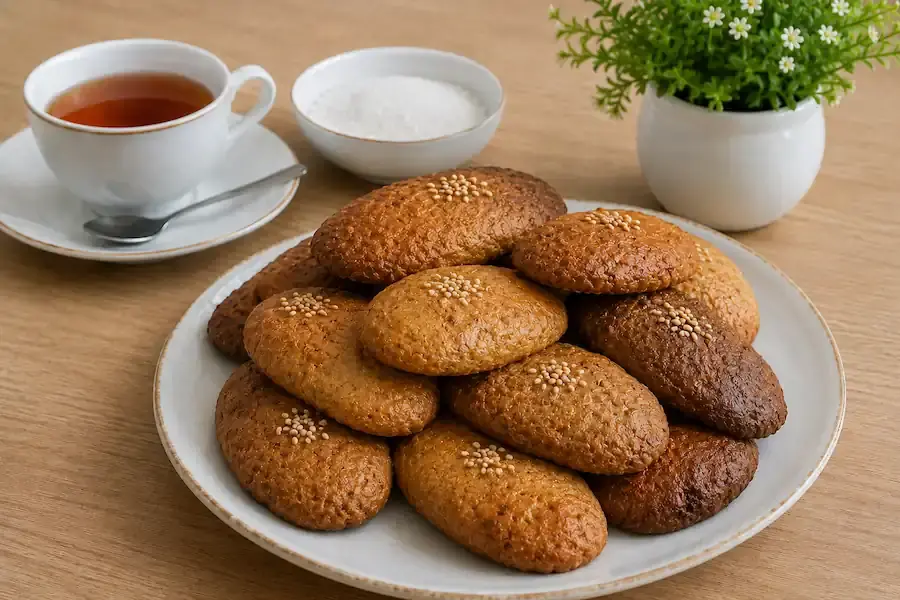
A Traditional Kalimantan Cake Rich in History, Tradition, and Cultural Philosophy
Kue Ilat Sapi is one of the most well-known traditional cakes found on the island of Kalimantan. Although it is often associated with Banjar culture in South Kalimantan, this delicacy is also widely found throughout East Kalimantan and Central Kalimantan. Across these regions, the cake has become an important part of local culinary identity, passed down from generation to generation for centuries.
In South Kalimantan, it is popularly known as Wadai Ilat Sapi Banjarmasin. Meanwhile, in East Kalimantan, particularly in Kutai Kartanegara, Tenggarong, Samarinda, and Sangatta, the cake is considered one of the most sought-after regional souvenirs. In Central Kalimantan, especially in Pangkalan Bun and West Kotawaringin Regency, Kue Ilat Sapi has long been recognized as a traditional local snack with significant cultural value.
Its presence across provincial boundaries demonstrates that Kue Ilat Sapi is more than just a sweet snack. It is part of Borneo’s culinary heritage, preserved and celebrated by various communities throughout Kalimantan.
The Origin of the Name Kue Ilat Sapi
The name "Ilat Sapi" comes from the Banjar language. The word ilat means "tongue," while sapi means "cow." Literally, Ilat Sapi translates to "cow's tongue."
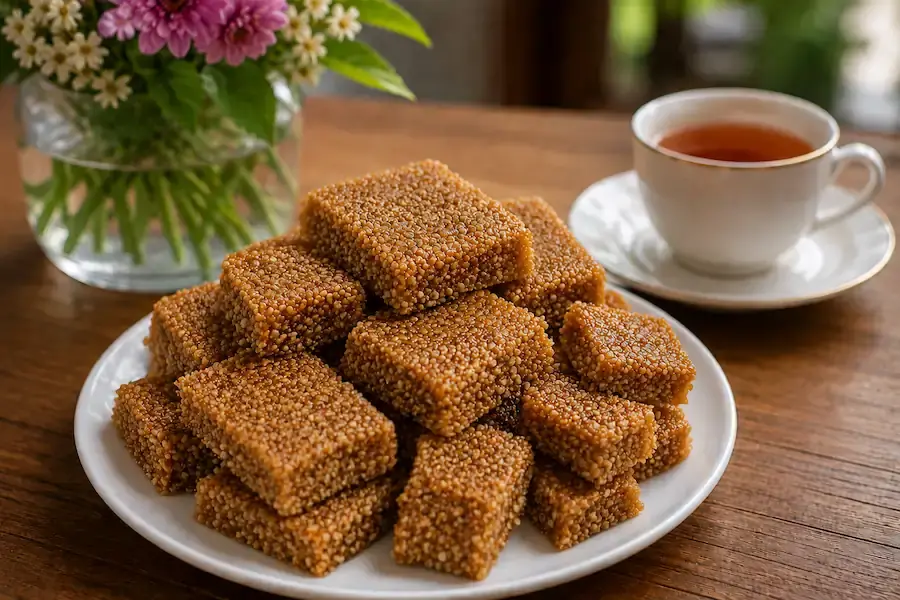
Despite its name, the cake does not contain cow tongue as an ingredient. The name originates from the cake's appearance, which resembles the shape of a cow's tongue. It is elongated, oval-shaped, slightly flattened, and features a glossy dark-brown surface that visually resembles the tongue of the animal.
This distinctive appearance inspired local communities to name the traditional cake Ilat Sapi. Over time, the name has endured and become a strong symbol within Kalimantan's culinary culture.
In several regions of Indonesia, the cake is also known by other names such as Kue Bangkit and Kuping Jaran. Among Bugis-Makassar communities living in East Kalimantan, a similar cake is known as Beppa Janda.
The Historical Roots of Kue Ilat Sapi in Banjar Tradition
Kue Ilat Sapi is closely connected to the tradition of 41 Macam Wadai, or the forty-one varieties of traditional Banjar cakes that have been known for centuries.
This tradition is believed to have originated during the era of the Dipa Kingdom in Hujung Tanah, long before Islam spread throughout the Banjar region. At that time, communities commonly prepared dozens of traditional cakes for customary ceremonies, thanksgiving gatherings, and major social events.
In ancient Banjar beliefs, presenting forty-one varieties of wadai was part of ritual practices associated with honoring the forces of nature and supernatural beings. After the arrival of Islam, the meaning of the tradition gradually evolved. The practice itself was preserved as a cultural heritage, while its spiritual significance became centered on prayers and supplications to Allah SWT for safety, blessings, and prosperity.
Among the many traditional Banjar cakes included in this tradition, Kue Ilat Sapi remains one of the most enduring and is still commonly served at various Banjar cultural ceremonies today.
Connections with Bugis and Makassar Culture
Interestingly, the history of Kue Ilat Sapi is not limited to Banjar culture alone. In East Kalimantan, particularly in Sangatta and other coastal areas, stories connect the cake to the migration of Bugis and Makassar communities.
Among Bugis-Makassar people, the cake is known as Beppa Janda. In the Makassar language, beppa means "cake," while janda refers to a widow.
According to local stories passed down through generations, the cake was once commonly made by widows whose husbands had died while fishing or sailing at sea. This background gave rise to the name Beppa Janda, which eventually became part of the culinary tradition of coastal communities.
This story illustrates how migration from Sulawesi to Kalimantan enriched local culinary traditions and contributed to the creation of a unique cultural blend that continues to exist today.
The Role of Kue Ilat Sapi in the Babarasih Banua Traditional Ceremony
In addition to being enjoyed in everyday life, Kue Ilat Sapi also plays an important role in various traditional ceremonies and cultural practices.
One tradition that continues to survive today is the Babarasih Banua or Bersih Benua Ceremony in Kumai District, West Kotawaringin Regency, Central Kalimantan.
This traditional ritual aims to seek safety, prosperity, peace, and protection from various disasters. The ceremony is led by a demang (customary leader) and respected local traditional figures.
During the ritual, community members travel along the Kumai River while carrying various ceremonial items, including an ancak, a special offering platform containing around forty varieties of traditional cakes. Kue Ilat Sapi is one of the essential offerings that must be present during the procession.
This tradition serves not only as a means of preserving cultural heritage but also as a way to strengthen the values of mutual cooperation, community solidarity, and gratitude to Almighty God.
A Must-Have Cake for Celebrations and Religious Festivities
Within Banjar communities, Kue Ilat Sapi is frequently served at a wide range of family gatherings and religious events.
The cake is commonly found at thanksgiving ceremonies, housewarming celebrations, traditional weddings, and major Islamic holidays such as Eid al-Fitr and the celebration of the Prophet Muhammad’s Birthday (Mawlid).
Because of its distinctive flavor and relatively long shelf life, Ilat Sapi is often chosen as a treat for guests as well as a gift or souvenir for relatives visiting from outside the region.
Its presence at many important occasions has made the cake more than just a food item—it has become an integral part of the cultural identity of the people of Kalimantan.
Traditional Ingredients of Kue Ilat Sapi
Although it appears simple, making Kue Ilat Sapi requires a careful combination of ingredients to achieve its distinctive taste and texture.
The primary ingredient is wheat flour, which serves as the cake’s structural base. To create its characteristic color and aroma, melted palm sugar or brown sugar is used.
Cooking oil is added to keep the texture soft and prevent the cake from drying out too quickly. Meanwhile, baking soda helps create fine air pockets, ensuring that the inside remains tender after baking.
Some traditional recipes also include eggs and a small amount of salt to enrich the flavor.
One of the most distinctive features of Kue Ilat Sapi is its use of palm sugar. The higher the quality of the palm sugar, the stronger and more fragrant the natural caramel aroma becomes.
A Traditional Preparation Method That Requires Patience
Kue Ilat Sapi cannot be made instantly. One of the most important stages in the process is the fermentation or resting period of the dough.
After the palm sugar has been melted and mixed with flour, oil, and baking soda, the dough is stirred until smooth using a traditional tool called a haruan, a long wooden paddle used for mixing large quantities of dough.
Unlike most modern baked goods, Ilat Sapi dough is typically left to rest for two to three days before being shaped and baked.
This process allows natural fermentation to occur, resulting in a softer texture, a smoother surface, and a richer, more developed flavor.
The dough is then rolled out, shaped to resemble a cow’s tongue, and baked at a temperature of approximately 150 degrees Celsius until fully cooked.
This traditional technique is one of the main reasons why the authentic taste of Kue Ilat Sapi is difficult to replicate through fast industrial production methods.
The Distinctive Texture and Flavor of Kue Ilat Sapi
At first glance, Kue Ilat Sapi may seem like a simple cake. However, once tasted, it reveals a unique combination of textures.
The exterior is pleasantly crisp, while the interior remains soft and tender. Its sweetness comes from palm sugar, which provides a rich caramel aroma without becoming overpowering.
The cake’s signature glossy dark-brown color is also the result of using high-quality palm sugar.
This combination of sweetness, subtle richness, and deep caramel flavor is what keeps Kue Ilat Sapi popular to this day, despite the abundance of modern snack options.
A Growing Culinary Souvenir from Kalimantan
Today, Kue Ilat Sapi has developed into one of the leading products of small and medium-sized enterprises (SMEs) across various regions of Kalimantan, particularly in Kutai Kartanegara and Sangatta.
The production of this traditional cake not only helps increase the income of local entrepreneurs but also supports the livelihoods of palm sugar farmers who supply its main ingredient.
Many visitors choose Ilat Sapi as a souvenir because it has a relatively long shelf life without requiring preservatives. Furthermore, its flavor is widely regarded as an authentic representation of Kalimantan’s traditional culinary heritage.
Some modern cafés have even begun serving Ilat Sapi alongside milk coffee, traditional black coffee, and warm tea. Among younger generations, the cake is increasingly recognized as a unique and aesthetically appealing retro snack, reflecting the growing trend of appreciating traditional local products.
A Symbol of Culture, Spirituality, and Resilience in Kalimantan
Kue Ilat Sapi carries a meaning that extends far beyond that of a simple snack. Behind its modest appearance lies a long and fascinating history that reflects the cultural journey of the people of Kalimantan.
The cake has witnessed the Banjar wadai tradition since the era of the Dipa Kingdom, played a role in traditional ceremonies such as Babarasih Banua, and become a symbol of resilience among Bugis-Makassar coastal communities through the story of Beppa Janda.
Its continued existence also contributes to local economic development through SMEs and palm sugar farmers who preserve traditional production methods.
For these reasons, Kue Ilat Sapi deserves recognition as one of Kalimantan’s most valuable culinary heritage foods, combining history, culture, spirituality, and economic significance in a simple traditional delicacy that continues to thrive in the modern era.