
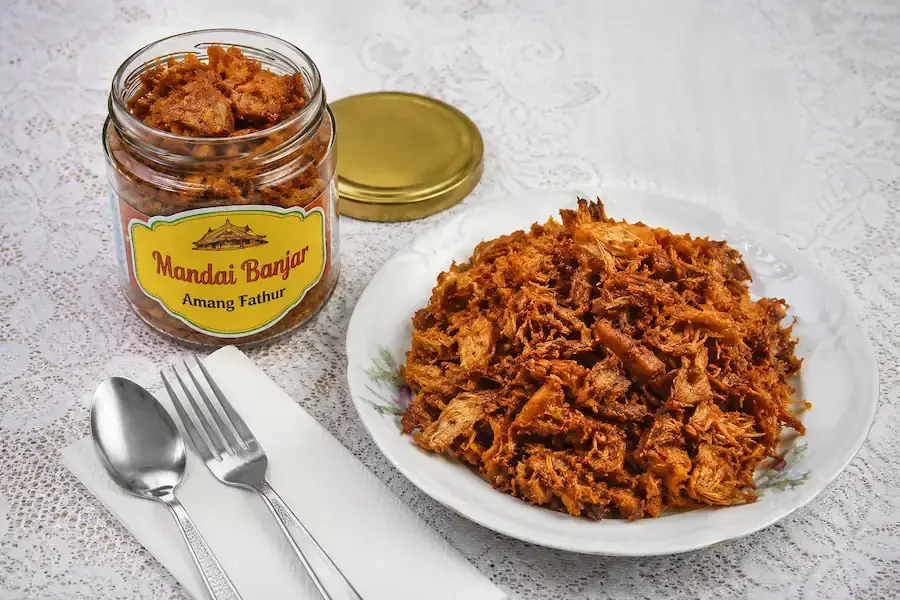
Fermented Cempedak Peel: A Legendary Culinary Heritage Rich in Probiotics
Discovering Mandai, a Unique Culinary Specialty from South Kalimantan
Indonesia is home to a wide variety of traditional foods born from the creativity of local communities in utilizing the natural resources around them. One of the most unique is mandai, a traditional Banjar delicacy from South Kalimantan made from the fermented inner peel of the cempedak fruit.
At first glance, few people would imagine that a part of the fruit usually discarded as waste could be transformed into a food with a distinctive flavor and significant cultural value.
Through a simple fermentation process using salt, cempedak peel is transformed into a food ingredient with a fibrous texture, a characteristic aroma, and an appetizing combination of savory and tangy flavors.
For the Banjar people, mandai is more than just a side dish served with rice. It is a part of their cultural identity, passed down from generation to generation and preserved despite the growing popularity of modern cuisine.
The uniqueness of mandai also lies in its ability to transform agricultural waste into a food product with economic value. Many first-time tasters even assume that mandai is made from meat because of its chewy and fibrous texture.
The History of Mandai and the Local Wisdom of the Banjar People
The origins of mandai are closely connected to the way of life of the Banjar people, who have long lived alongside the rivers, wetlands, and tropical forests of Kalimantan.
In the past, fish, which served as the community’s primary source of protein, was not always available in sufficient quantities, especially during prolonged dry seasons. This situation encouraged people to seek alternative food sources that could be preserved for extended periods.
At the same time, cempedak trees grew abundantly throughout South Kalimantan. Their fruits were plentiful during harvest seasons, while the peels were largely discarded as waste.
This led to the idea of utilizing the thick white inner layer of the cempedak peel as a food ingredient. With the help of salt and a natural fermentation process, the peel could be preserved for months and prepared whenever needed as a family side dish.
This tradition demonstrates the remarkable local wisdom of the Banjar people in making the most of available natural resources. Long before concepts such as zero-waste cooking and sustainable food became popular worldwide, the Banjar community had already been practicing these principles through the making of mandai.
Mandai, an Authentic Fermented Culinary Heritage of the Banjar People
Unlike some traditional Indonesian foods that were influenced by foreign cultures, mandai is widely believed to be an authentic product of Banjar culture that developed from the needs and ingenuity of the local community.
Fermentation techniques can indeed be found in many regions and countries around the world. However, the use of cempedak peel as the primary ingredient for fermentation is a tradition that is uniquely associated with Kalimantan and is rarely found elsewhere.
This uniqueness makes mandai one of Indonesia’s most distinctive culinary heritages. While tempeh is made from soybeans, tape from cassava or glutinous rice, and tempoyak from durian flesh, mandai stands out because it transforms fruit peel into a flavorful and valuable food.
Which Part of the Cempedak Fruit Is Used to Make Mandai?
Many people assume that mandai is made from the hard, thorny outer skin of the cempedak fruit. In reality, the part used is the thick white inner layer located beneath the outer rind.
This inner layer has a dense and fibrous texture, making it ideal for fermentation. After being thoroughly cleaned, it is cut into pieces, washed, and then soaked in salt to begin the fermentation process.
This simple method ultimately creates the distinctive flavor, aroma, and texture that define mandai.
The Fermentation Process That Creates Mandai’s Distinctive Flavor
The secret behind mandai’s unique taste lies in its fermentation process. During storage, naturally occurring lactic acid bacteria develop and gradually transform the characteristics of the cempedak peel.
In the early stages of fermentation, mandai has a relatively mild flavor with only a slight tanginess. Over time, the texture becomes softer and the characteristic fermented aroma begins to develop.
Fermentation lasting between six and ten days is generally considered ideal, as it creates a balanced combination of savory and sour flavors, a pleasant aroma, and a fibrous texture that resembles meat.
If fermentation continues for a longer period, the sourness becomes more pronounced and the aroma grows increasingly complex. This stronger character is often preferred by enthusiasts of traditional mandai.
Why Does Mandai Have a Meat-Like Texture?
One of the reasons mandai fascinates visitors is its unique texture. During fermentation, the natural fibers within the cempedak peel undergo structural changes, becoming softer while retaining their density.
When fried, the outer layer becomes slightly crispy while the inside remains tender and fibrous. This combination creates a mouthfeel that is often compared to meat or dense-textured mushrooms.
For this reason, some people consider mandai a traditional plant-based food alternative that offers a culinary experience unlike that of ordinary vegetables.
Mandai and Kimchi: Two Probiotic-Rich Fermented Foods
Just as South Korea is famous for kimchi, the Banjar people have mandai, an equally fascinating fermented delicacy.
Although they are made from different ingredients, both foods undergo lactic acid fermentation, a process that produces beneficial bacteria known as probiotics. These microorganisms play an important role in maintaining a healthy balance within the digestive system.
During mandai fermentation, various strains of lactic acid bacteria develop naturally, helping to create its distinctive flavor while improving the digestibility of the food. The same phenomenon occurs in kimchi, which has long been recognized as one of the world's healthiest fermented foods.
Because of these similarities, many researchers and traditional food enthusiasts have referred to mandai as the "Indonesian Kimchi" of South Kalimantan.
Health Benefits of Mandai
In addition to its cultural significance, mandai also offers a variety of potential health benefits.
Cempedak peel contains dietary fiber that may help support digestive health. The fermentation process also produces compounds that make the food easier for the body to digest.
The presence of lactic acid bacteria during fermentation may contribute to gut health and help maintain the natural balance of intestinal microflora.
Mandai also contains various vitamins and minerals derived from its raw ingredients. Combined with natural antioxidant compounds, it serves as an example of a traditional food that is both flavorful and nutritious.
However, because salt is used during the fermentation process, mandai is best consumed in moderation as part of a balanced and healthy diet.
Popular Ways to Enjoy Mandai
In South Kalimantan, mandai can be prepared in a variety of delicious ways.
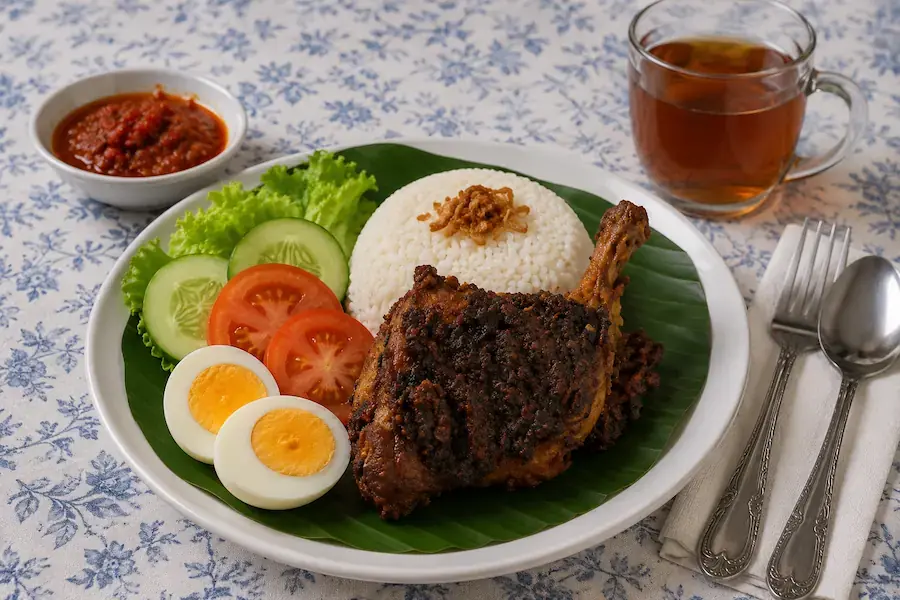
The most popular preparation is fried mandai. After fermentation, the pieces are simply fried until golden brown and served with warm rice and sambal.
Another favorite is stir-fried mandai, cooked with shallots, garlic, and chili peppers to create a flavorful combination of savory, spicy, and tangy tastes.
The Banjar people also enjoy sambal mandai, a spicy condiment made by combining mandai with chili peppers, shrimp paste, candlenuts, and various seasonings to create a richer umami flavor.
In some areas, mandai is paired with haruan fish, papuyu fish, sepat fish, salted fish, or anchovies, further highlighting the river-based culinary traditions of Kalimantan.
Modern innovations have also emerged, including crispy mandai chips that have become a popular snack and souvenir from South Kalimantan.
Mandai in the Daily Life of the Banjar Community
Mandai is neither a seasonal dish nor a food reserved for ceremonial occasions. It has long been part of the everyday diet of the Banjar people.
In the past, mandai often served as a reserve side dish when fish catches became scarce. Its long shelf life made it a practical food source for rural families.
Even today, mandai remains a common feature on Banjar dining tables, whether at breakfast, lunch, or dinner. It is also frequently served during family gatherings, community feasts, local celebrations, and culinary festivals.
Mandai as a Legendary Culinary Heritage of South Kalimantan
Mandai is clear proof that culinary creativity does not always depend on expensive ingredients. From what was once considered agricultural waste, the Banjar people have created a distinctive food with unique flavors, nutritional value, and a rich cultural history.
Amid the growing popularity of modern food trends, mandai continues to thrive as one of South Kalimantan’s culinary icons. Its existence reflects the richness of Indonesia’s fermentation traditions while showcasing the Banjar community’s wisdom in utilizing natural resources sustainably.
For anyone visiting South Kalimantan, tasting mandai is about more than simply enjoying a meal. It is a cultural experience that tells a story of history, tradition, innovation, and the enduring identity of the Banjar people.