
Banjar Culinary Specialty with Rich and Aromatic Habang Spices
Nasi Itik Gambut, an Iconic Traditional Dish of South Kalimantan
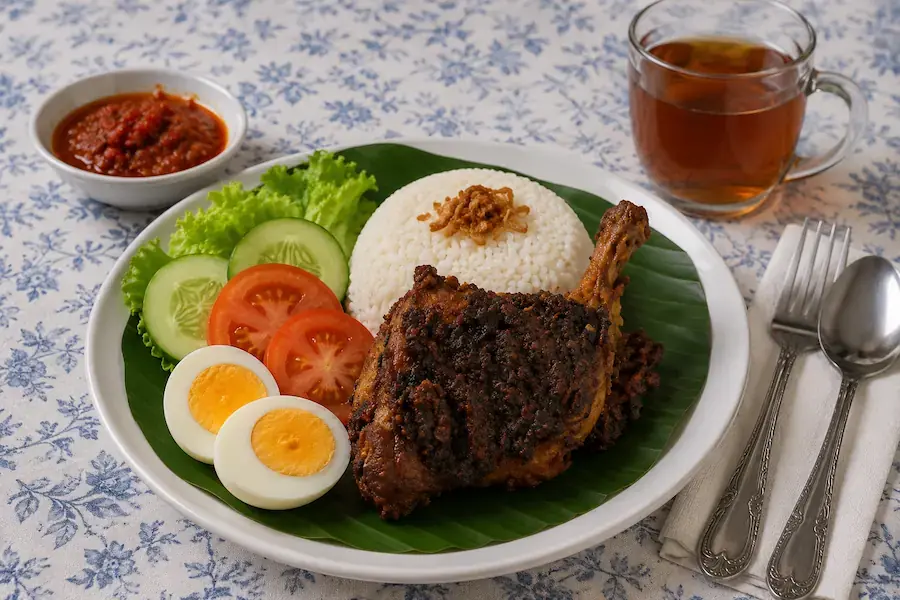
Nasi Itik Gambut is a traditional Banjar culinary specialty from Banjar Regency, South Kalimantan. Enjoy the delicious taste of duck cooked with rich habang spices, the aroma of banana leaves, and authentic traditional flavors that are a source of pride for the Banjar people.
South Kalimantan is home to a wide variety of traditional dishes that form an important part of the cultural identity of the Banjar community. Among these culinary treasures, Nasi Itik Gambut holds a special place due to its bold flavors, distinctive spice aromas, and serving traditions that continue to be preserved today.
For the Banjar people, food is more than just a means of satisfying hunger. Every dish tells a story about the region’s history, environment, and way of life.
Nasi Itik Gambut is one of the finest examples of how local culinary traditions have evolved into a cultural heritage passed down from generation to generation.
The name of this dish comes from Gambut District, an area in Banjar Regency known as one of the centers of traditional culinary culture in South Kalimantan.
From this region, the popularity of Nasi Itik spread to various parts of the province and eventually became one of the most sought-after dishes for visitors traveling to Banjarmasin and its surrounding areas.
History and Origins of Nasi Itik Gambut
Nasi Itik Gambut originated from the Banjar community’s long-standing tradition of preparing duck meat with local spices. Before becoming a popular culinary attraction, the dish was commonly found in family homes and small traditional eateries.
The Banjar people have long been recognized for their rich culinary traditions and extensive use of spices. Ingredients such as ginger, galangal, cinnamon, cloves, shallots, and garlic play important roles in many traditional recipes.
The use of these spices not only enhances the flavor but also helps reduce the distinctive aroma of duck meat, resulting in a more enjoyable and flavorful dish.
As trade activities and mobility increased in the Gambut area, the dish became more widely known. Many travelers intentionally stopped by local food stalls to enjoy the famous duck rice, known for its savory-sweet taste and enticing spice aroma.
Why Gambut Became the Identity of This Culinary Specialty
Gambut District occupies a strategic location along a busy transportation route frequently used by local residents and travelers. This situation encouraged the growth of many traditional food stalls throughout the area.
What was once a locally known duck rice dish eventually became a regional culinary identity closely associated with the name Gambut.
Today, mentioning Nasi Itik Gambut means referring to one of the most famous culinary specialties of Banjar Regency and a source of pride for the people of South Kalimantan.
The Uniqueness of Habang Spice, the Dish’s Signature Flavor
The secret behind the deliciousness of Nasi Itik Gambut lies in its use of habang spice. In the Banjar language, the word habang means “red.” The name refers to the deep red color that characterizes this distinctive seasoning.
Habang spice is one of the most iconic elements of Banjar cuisine. Its reddish-brown color and strong aromatic fragrance make the dish easily recognizable even before the first bite.
A Rich Blend of Flavorful Spices
Habang spice is generally made from a combination of red chilies, shallots, garlic, ginger, galangal, cinnamon, cloves, and several other aromatic spices. During the cooking process, palm sugar or brown sugar is often added to create a balanced blend of sweet and savory flavors.
These spices are slowly cooked until they form a thick seasoning that fully penetrates the duck meat. The result is a complex flavor profile, rich aroma, and a memorable taste experience in every bite.
A Symbol of Banjar Culinary Heritage
For the Banjar people, habang spice is more than just a cooking ingredient. Its presence reflects the richness of regional culinary traditions that have been preserved and passed down for generations.
It is therefore no surprise that many traditional Banjar dishes share similar flavor characteristics, as these have become an integral part of the region’s culinary identity.
Why Is Duck Meat the Main Choice?
Unlike chicken, duck meat has a richer texture and deeper flavor. This strong flavor profile pairs exceptionally well with the aromatic and spice-rich habang seasoning.
When cooked slowly over an extended period, duck meat becomes tender and absorbs the spices thoroughly. This is what gives Nasi Itik Gambut its distinctive taste and sets it apart from dishes made with chicken.
Part of the Local Culinary Tradition
The use of duck is also closely connected to the lifestyle of the Banjar people, who have long relied on various waterfowl-based dishes as a food source. Duck is relatively easy to obtain and offers good economic value.
In addition, duck-based dishes are often regarded as more special than everyday side dishes. For this reason, Nasi Itik Gambut is frequently served at family gatherings, guest receptions, and other important occasions.
A Traditional Serving Style That Stimulates the Appetite
Wrapped in Fragrant Banana Leaves
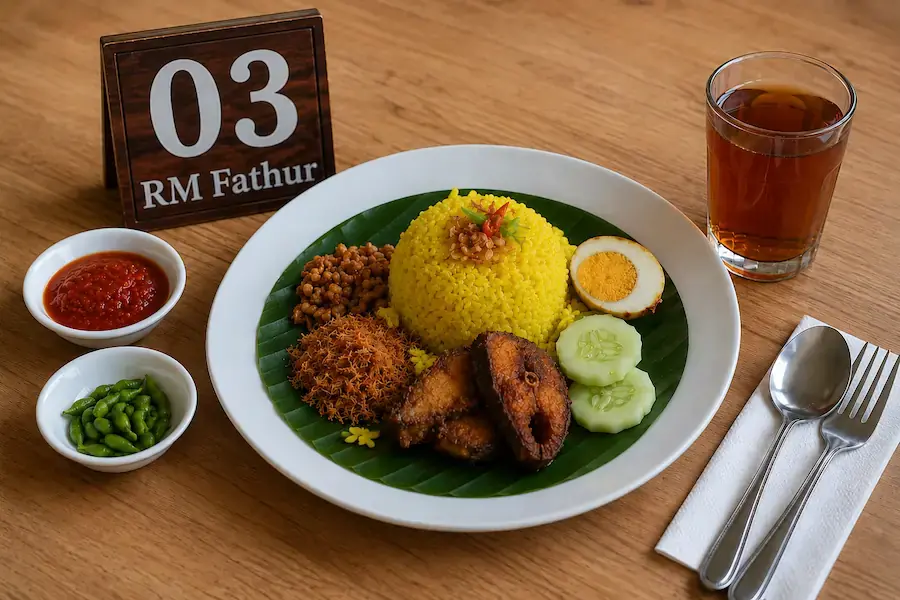
One of the unique attractions of Nasi Itik Gambut is its traditional presentation. Many vendors still serve this dish wrapped in banana leaves.
Banana leaves not only serve as a natural wrapper but also contribute a distinctive aroma that enhances the dining experience. When the package is opened, the combination of warm rice, aromatic habang spices, and the fragrance of banana leaves instantly awakens the senses and stimulates the appetite.
Preserving Authentic Flavor
Besides adding aroma, banana leaves help retain moisture, keeping the rice soft and the side dishes warm for longer. For many lovers of traditional cuisine, the banana-leaf-wrapped version is considered the most authentic way to enjoy the dish.
Although many restaurants now serve it on plates for convenience, the charm of Nasi Itik Gambut wrapped in banana leaves remains difficult to replace.
The Unforgettable Taste of Nasi Itik Gambut
A Blend of Sweet, Savory, and Aromatic Spices
When enjoyed, Nasi Itik Gambut offers layers of rich and complex flavors. The simplicity of steamed white rice perfectly balances the intense seasoning of the duck cooked in habang spices.
The sweetness of palm sugar combines harmoniously with savory spices and a mild hint of heat from red chilies. The aromas of cinnamon, cloves, and galangal further enhance the character of this remarkable dish.
Tender and Flavorful Meat
The lengthy cooking process allows the duck meat to become tender while retaining its texture. The spices penetrate deep into the meat fibers, creating a rich and consistent flavor in every bite.
This is one of the reasons why many people who try Nasi Itik Gambut once often consider it one of their favorite culinary experiences when visiting South Kalimantan.
The Role of Nasi Itik Gambut in Banjar Culture
A Dish for Welcoming Guests
In Banjar culture, food plays an important role as a symbol of respect for guests. Serving the best dishes reflects hospitality and appreciation for visitors.
Nasi Itik Gambut is often chosen because it represents the richness of local flavors and the culinary identity of the region. Its distinctive spice aroma and appealing presentation make it an ideal dish for various occasions.
A Culinary Heritage That Continues to Be Preserved
The continued existence of traditional food stalls and families who maintain recipes passed down through generations is one of the main reasons Nasi Itik Gambut remains preserved today.
Through culinary traditions, younger generations can learn about the history and culture of their own region. Therefore, Nasi Itik Gambut is not merely a meal but also an important part of Banjar cultural heritage that deserves to be safeguarded.
Why Does Nasi Itik Gambut Remain Popular Today?
Despite the growing popularity of modern foods and new culinary trends, Nasi Itik Gambut continues to hold a special place in people's hearts. One of the main reasons is its unique flavor, which is difficult to find in other dishes.
In addition, the dish possesses a strong identity. The name Gambut, the use of habang spices, and its traditional presentation make it instantly recognizable as a signature culinary specialty of South Kalimantan.
Tourists visiting Banjarmasin and Banjar Regency frequently include Nasi Itik Gambut on their list of must-try foods. The rise of social media and culinary tourism promotions has also helped introduce this dish to a wider audience.
Nasi Itik Gambut as a Culinary Tourism Attraction in South Kalimantan
For enthusiasts of Indonesian cuisine, tasting Nasi Itik Gambut is one of the best ways to experience Banjar culture through food. This dish offers much more than a simple meal.
Every spice aroma, meat texture, and serving tradition tells a story about the lives and heritage of the people of South Kalimantan.
It is no exaggeration to describe Nasi Itik Gambut as one of the icons of Banjar culinary tourism, introducing visitors from across Indonesia to the richness of regional traditions.
Conclusion
Nasi Itik Gambut is one of the most distinctive traditional Banjar dishes originating from Gambut District, Banjar Regency, South Kalimantan. Its uniqueness lies in the use of duck meat cooked with richly spiced habang seasoning, creating a flavor profile that is sweet, savory, aromatic, and unmistakably distinctive.
More than just a dish, Nasi Itik Gambut is part of the cultural identity of the Banjar people. It reflects local wisdom in food preparation, preserves traditional culinary practices, and showcases the cultural richness of South Kalimantan to a wider audience.