
A Traditional Delicacy Passed Down Through Generations
Amid the rich culinary heritage of South Kalimantan, Kue Kararaban holds a special place. This traditional Banjar cake may not be as well known among tourists as Bingka, but for local communities, Kararaban is a cherished culinary legacy with a distinctive flavor and a fascinating cultural story.
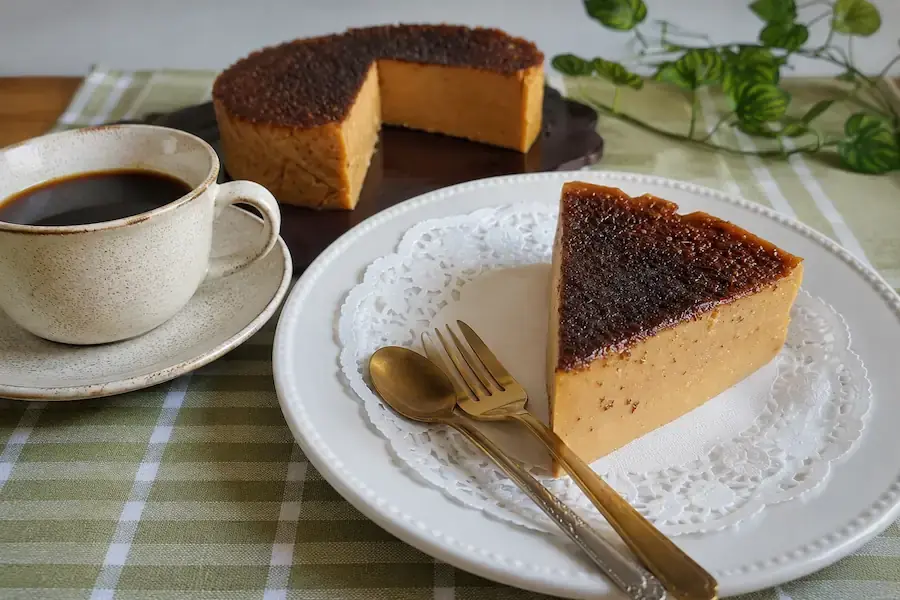
At first glance, Kararaban appears simple. It is round in shape, with a golden-brown to dark brown surface. Yet behind its modest appearance lies a delightful combination of sweetness, richness, and aromatic spices that sets it apart from many other traditional cakes.
Its texture is soft and dense, resembling a cross between a baked pudding and a traditional coconut milk-based cake. Every bite offers a rich and satisfying taste, thanks largely to the carefully selected spices that serve as the cake’s defining characteristic.
The Fascinating Origin of the Name Kararaban
One of the most unique aspects of Kararaban is the origin of its name. According to Banjar oral traditions, the name "Kararaban" is believed to have originated from a word referring to the fine dust that clings to or hangs from spider webs in the corners of traditional houses.
In the Banjar language, a spider is known as kabibitak. In the past, spider webs covered with fine dust were a common sight, especially in roof areas that were rarely cleaned. The accumulated dust often formed thin layers with a dark brownish-gray appearance.
When the Banjar people created this cake, they sprinkled a mixture of roasted and finely ground spices over the surface of the batter.
After baking, the topping produced an appearance similar to the fine dust found on spider webs. This visual resemblance is believed to have inspired the name Kararaban.
This type of naming reflects the creativity of the Banjar people in interpreting the objects around them. Food names serve not only as identities but also as vessels for cultural stories and local perspectives on everyday life.
The Secret Behind Its Distinctive Spiced Topping
Upon closer inspection, the most distinctive feature of Kararaban is actually its upper layer. The dark brown color is not simply the result of caramelization or overbaking, but rather comes from a traditional spice blend sprinkled on top before baking.
The spices commonly used include fennel and cinnamon, which are first roasted to maximize their fragrance. They are then finely ground and evenly distributed across the surface of the batter.
As the cake bakes, the aroma of the spices blends beautifully with coconut milk and sugar, creating a warm and inviting flavor profile. This is what gives Kararaban a taste identity unlike any other Banjar delicacy.
The gentle aroma of cinnamon combined with subtle notes of fennel creates a traditional sensory experience rarely found in modern desserts. Even before taking a bite, the fragrance alone is enough to spark curiosity.
Simple Ingredients with Exceptional Results
Like many traditional Indonesian delicacies, Kararaban is made from simple and readily available ingredients. Coconut milk, sugar, eggs, and flour form the foundation of the batter.
Its uniqueness, however, lies not in the ingredients themselves but in the balance of proportions and the baking technique. The cake must be baked at the right temperature to ensure a soft interior while achieving the signature brown topping that defines Kararaban.
The result is a cake that is dense yet tender, neither overly moist nor too dry. Each bite delivers just the right amount of sweetness without being overwhelming.
Kararaban in Banjar Culinary Tradition
For the Banjar people, Kararaban is more than just a snack. It forms part of the rich tradition of wadai, or traditional cakes, that have been passed down through generations. It is often served at family gatherings, community events, and various celebrations.
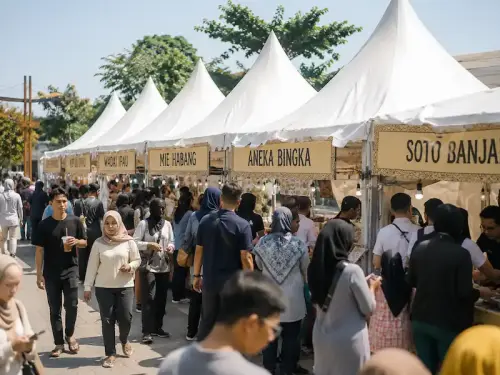
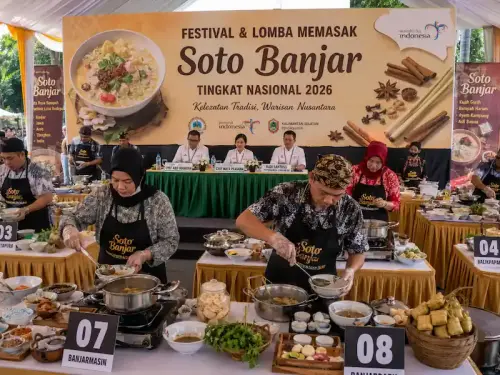
Kararaban is also one of the cakes frequently sought after during traditional culinary festivals and the Ramadan Wadai Market. Many people deliberately search for it because its distinctive flavor is becoming increasingly difficult to find in everyday life.
In the modern era, when countless new cakes and desserts continue to emerge, Kararaban remains a symbol of local culinary heritage. Its uniqueness lies not only in its taste but also in the cultural story embedded within every slice.
A Culinary Heritage Worth Preserving
Kararaban is proof that a traditional food can hold far more than just flavor. Within it are elements of history, philosophy, creative naming traditions, and the cultural identity of the Banjar people that have endured for decades, if not centuries.
Through its distinctive spice aroma, irresistibly soft texture, and the unique story behind its name, Kararaban stands as one of South Kalimantan’s culinary gems worthy of wider recognition. It is not merely a traditional cake, but also a valuable cultural heritage that enriches Indonesia’s diverse culinary landscape.