

Captivating from the Kingdom Era to Modern Ramadan
When discussing the rich culinary heritage of the Banjar people, particularly the wide variety of wadai or traditional cakes, the name Wadai Puteri Selat almost always appears among the most sought-after delicacies.
This beautiful traditional cake is renowned not only for its soft and refreshing taste but also for the history and legends associated with it.
For the people of South Kalimantan, Puteri Selat is more than just a market snack. It is a cultural heritage that has endured for centuries, connecting the glory of the Banjar Kingdom with the lives of modern society today.
The cake has a simple yet elegant appearance. A brown layer made from palm sugar blends beautifully with a soft white coconut milk layer, while the base is topped with grated coconut that adds a unique texture.
When sliced, its appearance is so attractive that it is difficult to resist taking a taste.
Behind its delicious flavor lies a story that makes Puteri Selat even more special.
What Is Wadai in Banjar Culture?
Before exploring Puteri Selat in greater detail, it is important to understand the meaning of the word wadai in Banjar culture.
In the Banjar language, wadai means cake or traditional snack. However, its significance extends far beyond that simple definition.
Wadai plays an important role in community life and social gatherings. It is present at weddings, thanksgiving ceremonies, religious celebrations, family gatherings, and many other occasions.
The Banjar people even have a famous tradition known as 41 macam wadai, the presentation of dozens of traditional cakes as a symbol of respect for guests and as a way of preserving ancestral culture.
Puteri Selat is one of the most popular wadai and holds strong historical significance because it is often associated with the Banjar royal court.
The Legend of Putri Junjung Buih and the Origin of Puteri Selat
One of the aspects that makes Wadai Puteri Selat so fascinating is the story behind its creation.
According to stories passed down among the Banjar people, the recipe for Puteri Selat was created by Putri Junjung Buih, a legendary figure who is widely known in the history and folklore of South Kalimantan.
Putri Junjung Buih is one of the most respected figures in Banjar folklore. She is often portrayed as beautiful, wise, and closely connected to the establishment of the early kingdoms in the Banjar region.
Although difficult to verify historically, legend states that various royal palace recipes, including Puteri Selat, originated from the creativity of the princess herself or from the royal environment in which she lived.
For this reason, Puteri Selat was once known as one of the favorite cakes of the nobility. Not everyone could enjoy it, especially during times when high-quality palm sugar, fresh coconut milk, and premium coconuts were more accessible to members of the royal court.
However, like many traditional foods, the recipe eventually spread throughout society and became part of everyday Banjar life.
A Name Filled with Elegance
Compared to many other Banjar wadai that are named after their shape or ingredients, the name Puteri Selat sounds exceptionally graceful and refined.
To this day, there is no single definitive explanation regarding the origin of the name. However, many people associate it with the sense of royalty and luxury that has long been attached to this cake.
The word “puteri,” meaning princess, immediately evokes images of elegance and gentleness. These qualities perfectly reflect the cake itself, which is soft, delicate, and never overwhelming.
As a result, Puteri Selat is often regarded as one of the most elegant traditional cakes in Banjar cuisine, both in appearance and historical significance.
The Secret Behind a Flavor That Has Endured for Centuries
One reason Puteri Selat remains popular today is its simple recipe that produces an exceptionally appealing flavor.
The main ingredients include rice flour, palm sugar, coconut milk, agar-agar, and grated coconut.
Each ingredient plays an important role.
Rice flour provides the cake's signature soft structure. Palm sugar contributes natural sweetness as well as its beautiful brown color. Coconut milk adds the rich savory aroma that characterizes many Banjar dishes.
Agar-agar creates a pleasantly firm and refreshing texture, while the grated coconut at the base adds another layer of flavor and a unique texture.
The final result is a layered cake with a perfectly balanced combination of sweet and savory flavors.
No single flavor dominates. Instead, it is this balance that makes Puteri Selat so enjoyable to eat.
Why Does It Taste Better When Chilled?
While many traditional cakes are best enjoyed warm, Puteri Selat possesses a unique characteristic of its own.
Most lovers of Banjar wadai agree that this cake reaches its finest flavor when served cold.
When chilled, the agar layer becomes firmer and more refreshing. The coconut milk tastes smoother, while the palm sugar flavor becomes more pronounced and harmonizes perfectly with the entire cake.
The cool sensation also makes Puteri Selat particularly refreshing, especially on a hot day or after a full day of fasting.
It is no surprise that many vendors store this cake in refrigerated display cases before serving it to customers.
A Ramadan Takjil Favorite
Like many other Banjar wadai, Puteri Selat has a very close connection to the month of Ramadan.
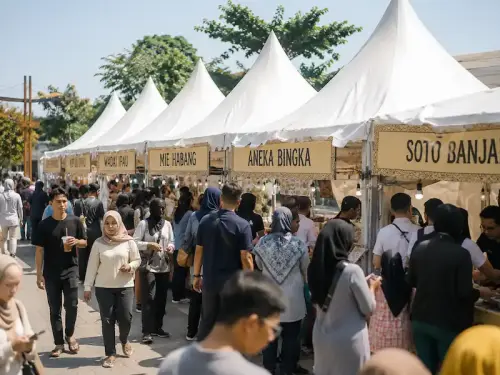
When wadai markets begin appearing in the hours before iftar, Puteri Selat is almost always among the first cakes to catch the attention of buyers.
Its beautiful appearance encourages people to try it, but its flavor is what keeps them coming back.
The light combination of sweet and savory flavors makes Puteri Selat an ideal choice for breaking the fast. It is not overly heavy, yet it provides enough energy after a day of fasting.
Because it is served cold, Puteri Selat also offers a refreshing sensation that is especially enjoyable at iftar time.
Many Banjar families consider the presence of Puteri Selat on the iftar table to be an inseparable part of Ramadan tradition.
Affordable Yet Rich in Value
One reason Puteri Selat is so beloved is its affordability.
With prices generally ranging from around IDR 10,000 to IDR 20,000 per piece or package (prices may vary depending on conditions), it is accessible to nearly everyone.
Yet the true value of Puteri Selat goes far beyond its price.
Within each layer of the cake are traces of Banjar royal history, the legend of Putri Junjung Buih, Ramadan traditions, and the craftsmanship of wadai makers whose skills have been passed down through generations.
This cake demonstrates that cultural heritage does not always come in the form of grand buildings or historical artifacts. Sometimes, heritage exists in something as simple as a piece of cake made from a treasured family recipe and enjoyed together with loved ones.
More Than Just a Traditional Cake
Ultimately, Wadai Puteri Selat is much more than a sweet treat enjoyed at iftar.
It is a symbol of the long cultural journey of the Banjar people. From the halls of royal nobility to modern traditional markets, from the legend of Putri Junjung Buih to contemporary family dining tables, Puteri Selat continues to preserve its charm.
Its soft texture, balanced sweet-savory flavor, and rich historical background ensure that it remains relevant even as times continue to change.
And as long as the Banjar people continue to preserve the tradition of making and enjoying it, Wadai Puteri Selat will remain one of South Kalimantan’s culinary treasures, worthy of pride and worthy of being passed on to future generations.