
Hintalu Karuang, a Traditional Banjar Delicacy that is Sweet, Chewy, and Rich in Cultural Meaning
Amid the rich culinary heritage of South Kalimantan, there is a traditional sweet dish with a unique name and distinctive flavor known as Hintalu Karuang. The Banjar people recognize it as one of the 41 traditional Banjar cakes and delicacies (wadai) that have been passed down from generation to generation.
At first glance, the name Hintalu Karuang may sound quite surprising. However, behind its unusual name lies a long history, cultural philosophy, and delicious taste that continue to be enjoyed today, especially during Ramadan and various traditional Banjar ceremonies.
What Is Hintalu Karuang?
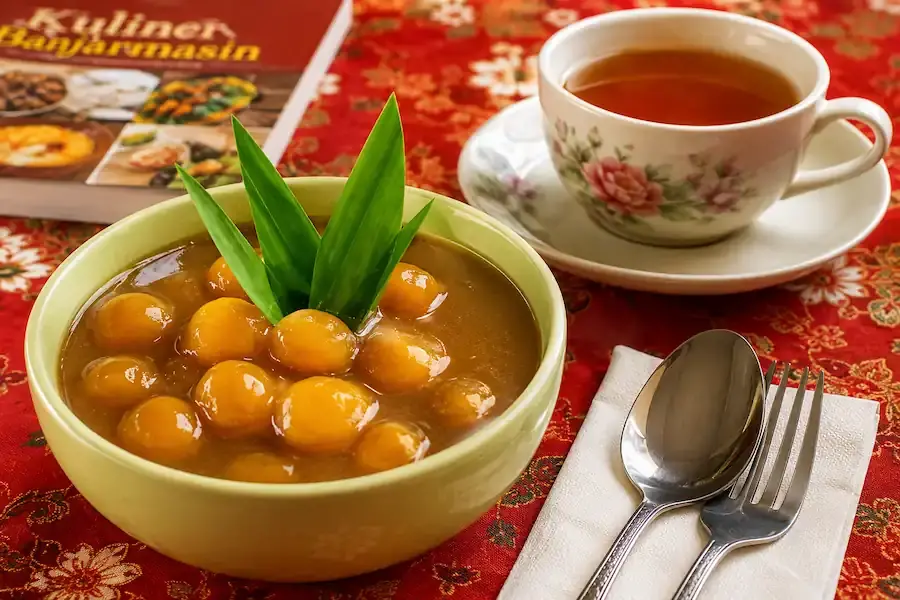
Hintalu Karuang is a traditional Banjar dessert or sweet snack originating from South Kalimantan, particularly the Banjarmasin area and its surroundings. This delicacy consists of small glutinous rice flour balls served in a rich and fragrant coconut milk and palm sugar sauce.
Its texture is chewy, similar to candil or biji salak, which are well-known traditional desserts on the island of Java. The combination of sweetness from palm sugar and the savory richness of coconut milk creates a smooth and comforting flavor. For this reason, Hintalu Karuang is often enjoyed as a relaxing treat or as a dessert after meals.
The Origin of the Name Hintalu Karuang
The name Hintalu Karuang comes from the Banjar language. The word hintalu means egg, while karuang means bat. Literally translated, Hintalu Karuang means "bat eggs."
Despite the name, the dish does not contain bat eggs as an ingredient. The name originated from the small, round shape of the glutinous rice balls, which resemble bat eggs. This resemblance inspired the Banjar people to give the delicacy a unique and memorable name.
The History of Hintalu Karuang in Banjar Tradition
Hintalu Karuang is believed to have been known since the era of the Banjar Sultanate, which flourished around the 16th century. As a traditional culinary heritage passed down orally through generations, there are no definitive records identifying its creator or the exact time it was first made.
Nevertheless, the Banjar community regards this dish as an important part of their local cultural heritage that has survived for hundreds of years. Today, it continues to be preserved as one of the culinary identities of South Kalimantan.
As part of the group known as the 41 Traditional Banjar Wadai, Hintalu Karuang holds a special place in various cultural activities and traditions of the local community.
Simple Ingredients with an Extraordinary Flavor
The uniqueness of Hintalu Karuang lies not only in its name but also in the simplicity of its ingredients. The glutinous rice balls are made from a mixture of glutinous rice flour, rice flour, a pinch of salt, limewater, and water, kneaded until smooth and pliable.
The sauce is made from a blend of palm sugar, granulated sugar, medium-thick coconut milk, thick coconut milk, pandan leaves, and a small amount of salt. Some traditional recipes also include beaten eggs to create a richer and smoother texture in the sauce.
Although the ingredients are simple and easy to find, the final result delivers a rich and highly satisfying flavor.
How Hintalu Karuang Is Made
The preparation process begins by mixing glutinous rice flour, rice flour, salt, limewater, and water until a dough that is easy to shape is formed. Once smooth, the dough is rolled into small marble-sized balls.
Meanwhile, palm sugar is boiled together with granulated sugar, pandan leaves, and a little salt until completely dissolved. After that, coconut milk mixed with beaten eggs is added to the sugar mixture and stirred continuously to prevent the coconut milk from separating.
The glutinous rice balls are then added to the boiling sauce and cooked until they float to the surface. In Banjar culinary tradition, the floating rice balls indicate that they are perfectly cooked.
Once cooked, the balls are left to absorb the flavors of the sauce, making them even more delicious. Hintalu Karuang can be served either warm or chilled, depending on personal preference.
A Flavor and Texture That Keep You Coming Back
One of the main attractions of Hintalu Karuang is its unique combination of textures. The glutinous rice balls are soft and chewy, while the coconut milk and palm sugar sauce offers a balanced blend of sweetness and savory richness.
The golden-brown color of the sauce comes from the palm sugar used as the primary sweetener. The fragrant aroma of pandan leaves further enhances the traditional flavor of this dessert.
Because of its similar appearance and texture, many people refer to Hintalu Karuang as the Banjar version of biji salak or candil, which are popular traditional desserts in Java.
When Is Hintalu Karuang Served?
In Banjar society, Hintalu Karuang is more than just an everyday snack. It is frequently present at various important occasions that hold social and cultural significance.
During the month of Ramadan, Hintalu Karuang becomes one of the most sought-after delicacies at Ramadan food markets. Its sweet flavor and filling nature make it an ideal choice for breaking the fast.
In addition, it is often served at traditional Banjar weddings, family gatherings, and various other cultural celebrations. Its presence symbolizes togetherness and blessings at every occasion.
The Cultural Meaning Behind a Bowl of Hintalu Karuang
For the Banjar people, Hintalu Karuang is not merely a dessert. It carries cultural values that reflect identity, tradition, and local wisdom inherited from their ancestors.
Its continued existence symbolizes the preservation of cultural heritage that remains cherished to this day. Amid rapid modernization and the emergence of countless modern foods, Hintalu Karuang continues to endure as one of the iconic traditional culinary treasures of South Kalimantan.
Every bowl of Hintalu Karuang tells a story of history, tradition, and the sense of community that has defined Banjar society for centuries.
Hintalu Karuang, a Banjar Culinary Heritage That Continues to Thrive
Hintalu Karuang proves that traditional foods offer more than just delicious flavors; they also preserve valuable historical and cultural significance. With its chewy texture, sweet and savory coconut milk sauce, and deep cultural roots, this delicacy deserves recognition as one of South Kalimantan’s must-try culinary specialties.
For travelers visiting Banjarmasin or other areas of South Kalimantan, tasting Hintalu Karuang is a simple yet meaningful way to experience the richness of Banjar culture. From its unique name to its distinctive flavor, this traditional wadai remains a source of pride for the Banjar people and continues to thrive in the modern era.