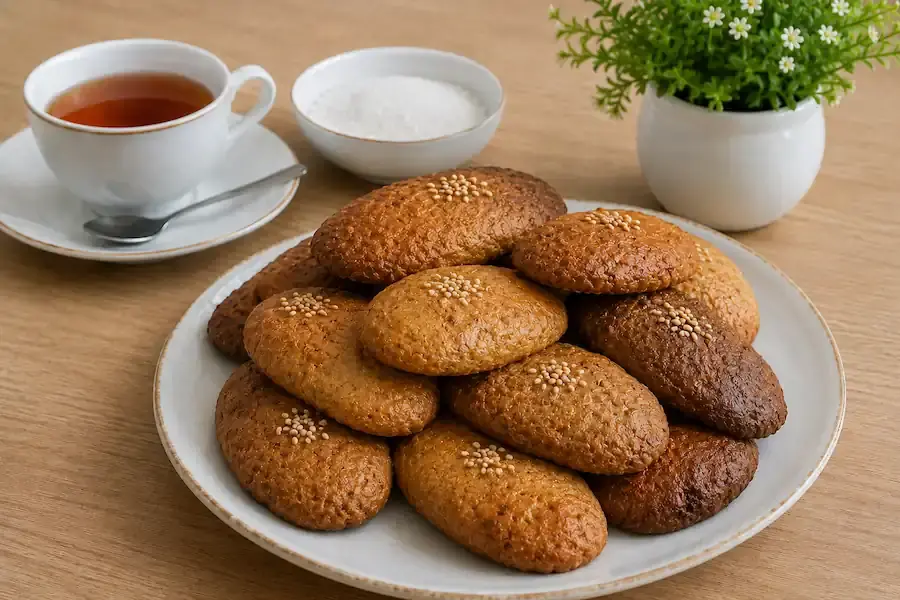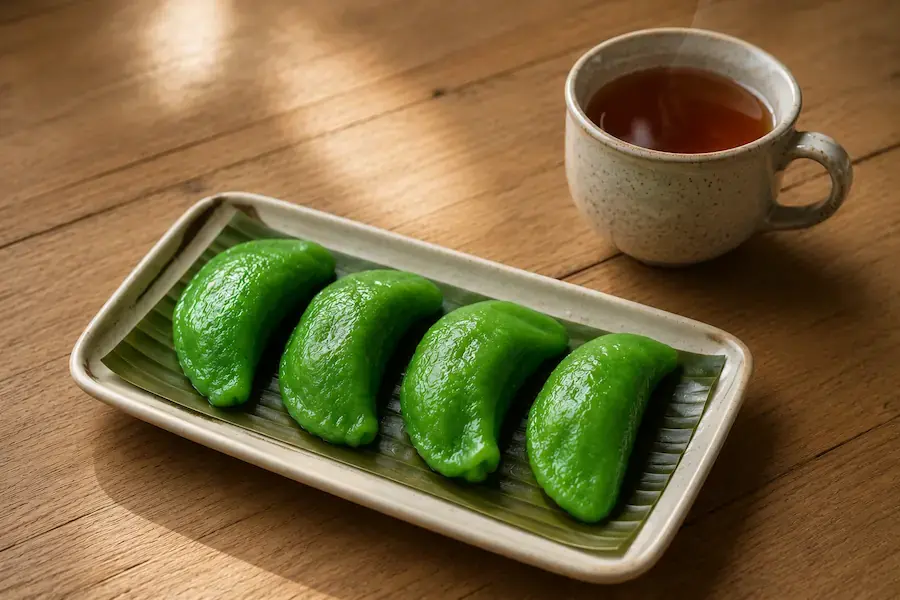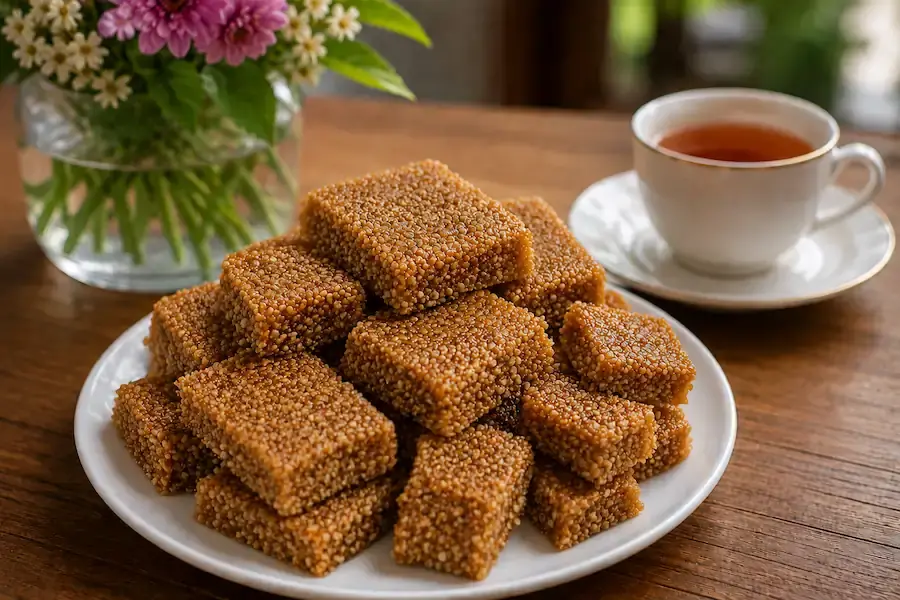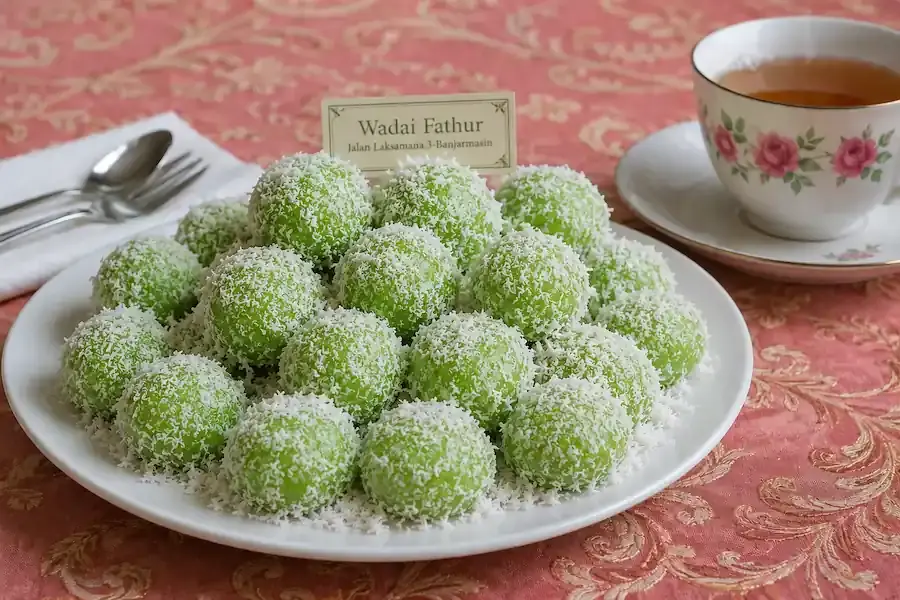

The 41 Wadai Banjar Tradition That Dates Back to the Hindu Kingdom Era
Long before Ronde Banjar became known as one of South Kalimantan's traditional delicacies, the tradition of 41 Wadai Banjar had already been deeply rooted in Banjar society.
This tradition is believed to have originated during the era of the Negara Dipa Kingdom around the 13th to 14th centuries, centered in the Banua Hujung Tanah region, an area that is now part of South Kalimantan.
During that period, various wadai, or traditional cakes, were used as part of rituals and offerings associated with local beliefs.
These cakes were presented as ceremonial offerings that held symbolic meanings, intended to maintain harmony between humans, nature, and the spiritual world.
The recipes for these various wadai were passed down from generation to generation for centuries and continued to survive into the era of the Banjar Sultanate. The continuity of this tradition has made the 41 Wadai one of the oldest culinary cultural heritages still recognized by the Banjar people today.
The Transformation of the Wadai Tradition After the Arrival of Islam
When Islam spread throughout the Banjar Sultanate in the 16th century, many older traditions did not disappear entirely but instead underwent a transformation in meaning. The 41 Wadai tradition, which had previously been associated with ancient rituals and beliefs, gradually became part of Banjar Islamic traditions.
Various wadai began to be served during religious and customary events such as Baayun Maulid, Batamat Al-Qur'an, Badudus, and various traditional Banjar wedding ceremonies.
Within this new context, wadai were no longer viewed as ritual offerings but rather as symbols of gratitude, prayers for safety, togetherness, and respect for guests.
This transformation demonstrates the ability of the Banjar people to preserve their cultural heritage while adapting it to the values that developed within society.
The Arrival of Chinese Traders and Their Influence on Banjar Cuisine
During roughly the same period, the maritime trade routes of the Indonesian archipelago became increasingly busy with merchants from various parts of Asia, including China. Through these trading activities, many elements of Chinese culture began to enter Kalimantan.
In addition to bringing trade commodities, Chinese merchants also introduced various culinary traditions that later interacted with local culture. One of the foods believed to have arrived through this process was Tangyuan ( 汤圆 ), a traditional Chinese dish consisting of glutinous rice balls usually served in a warm broth.
Over time, Tangyuan was no longer presented in its original form.
The Banjar people adapted the dish using ingredients and flavors that were closer to local culinary traditions. It was through this process that Ronde Banjar, as it is known today, eventually emerged.
From Tangyuan to Ronde Banjar
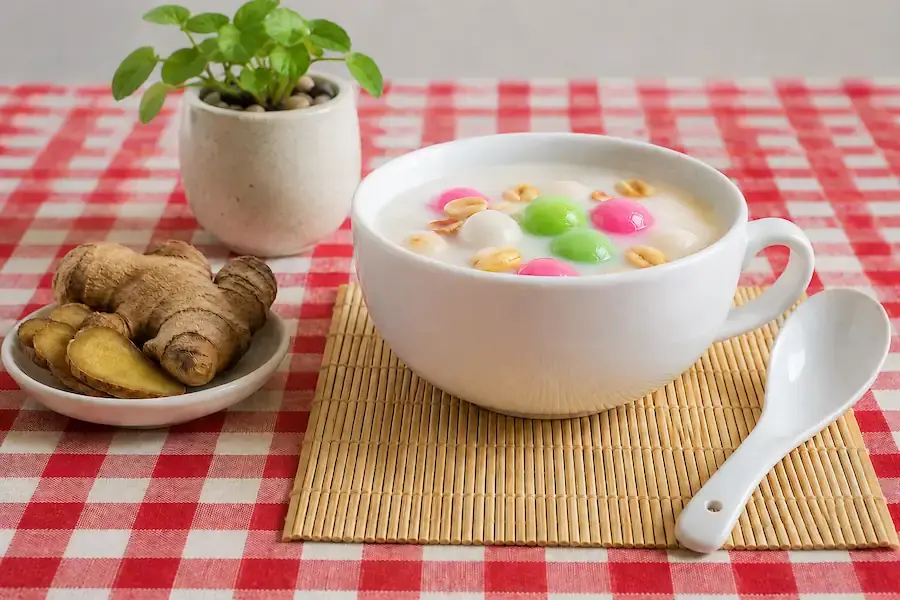
Ronde Banjar is one of the most fascinating examples of cultural acculturation between Chinese and Banjar traditions. The basic form of Tangyuan was retained: round glutinous rice balls that may be filled with peanuts or served without filling.
The name "ronde" itself is believed to originate from the Dutch word rondje , meaning "round." The term later became widely used throughout the Indonesian archipelago to refer to round-shaped foods derived from the Tangyuan tradition.
Although its shape resembles the original Chinese dish, the Banjar people added their own distinctive touch to its preparation. While Tangyuan is generally served in a warm ginger broth, Ronde Banjar evolved to use coconut milk and palm sugar, creating a richer, creamier, and more savory flavor.
This adaptation is what gives Ronde Banjar its own unique identity as part of South Kalimantan's traditional cuisine.
Ronde as One of the 41 Wadai Banjar
Within the traditional arrangement of the 41 Wadai Banjar, ronde holds a place as one of the cakes that reflects the long history of cultural interaction in South Kalimantan.
The inclusion of ronde among the traditional wadai demonstrates that Banjar culture did not develop in isolation. Instead, the Banjar people were able to accept outside influences, adapt them to local tastes, and ultimately make them part of their own cultural identity.
In addition to ronde, several other cakes within the 41 Wadai tradition also show traces of Chinese cultural influence, such as Cucur and Ipau.
The presence of these various cakes illustrates that the relationship between the Banjar people and Chinese migrant communities has existed for a long time and has resulted in a harmonious cultural exchange.
Is Ronde Banjar the Same as Javanese Wedang Ronde?
This question often arises because both dishes have nearly identical names and appearances. Historically, the answer is yes. Ronde Banjar and Javanese Wedang Ronde share the same cultural roots, namely Tangyuan from China.
Both use round glutinous rice balls that may be filled with peanuts and are served warm. Both also developed through a process of cultural acculturation between Chinese traditions and local communities across the Indonesian archipelago.
The main difference lies in the broth. Javanese Wedang Ronde retains a ginger and palm sugar broth, producing a warming flavor with a slight spicy kick.
Meanwhile, Ronde Banjar uses coconut milk and palm sugar, creating a sweet and savory taste that better reflects Banjar and Malay culinary traditions.
For this reason, Ronde Banjar and Javanese Wedang Ronde can be considered two regional variations of the same culinary tradition. They share a common ancestor but evolved according to the tastes and cultures of different communities.
A Symbol of Cultural Acculturation That Endures Today
Ronde Banjar is more than just a traditional dish served at various customary events. Behind a warm bowl of ronde lies a long cultural journey involving ancient Hindu traditions, the development of Islam within the Banjar Sultanate, the maritime trade networks of the Indonesian archipelago, and Chinese culinary influences.
This journey has made Ronde Banjar one of the most tangible symbols of cultural acculturation in South Kalimantan. Originating from Tangyuan in China and later transforming into Ronde Banjar as part of the 41 Wadai tradition, this dish serves as proof that the meeting of different cultures can create unique culinary heritage that endures for centuries.
To this day, Ronde Banjar is remembered not only as one of the cakes within the 41 Wadai Banjar tradition but also as a historical witness to the harmonious relationship between Banjar and Chinese cultures that has existed since the era of ancient trade across the Indonesian archipelago.