

The Banjarmasin Noodle Dish That Sparks Curiosity from the Very First Bite
When people hear the term "red noodles," many immediately imagine an extremely spicy noodle dish with a chili-packed broth. However, that assumption does not entirely apply to Mie Habang, one of Banjarmasin’s signature culinary specialties that has long been a favorite among the people of South Kalimantan.
Mie Habang has a striking appearance. Its bright red color dominates both the noodles and the broth, instantly capturing the attention of anyone who sees it. From a distance, the dish looks bold and even somewhat intimidating to those unfamiliar with spicy foods.
The real surprise comes when the noodles are actually tasted. Rather than delivering a tongue-burning heat, Mie Habang offers a well-balanced combination of savory and sweet flavors.
Its vivid red color conceals a flavor profile that is approachable and enjoyable for a wide range of people.
In South Kalimantan, Mie Habang is more than just a meal. It is part of the Banjar culinary identity, continuing to thrive despite the growing influence of modern foods and ever-changing culinary trends.
The Meaning of "Habang" as an Identity
The name Mie Habang comes from the Banjar language. The word "habang" means "red", a name that perfectly reflects the appearance of this dish.
The red color is not merely decorative or the result of artificial coloring. Instead, it represents the defining characteristic that sets Mie Habang apart from many other noodle dishes found throughout Indonesia.
The secret behind the vibrant color lies in bumbu habang, a traditional Banjar spice blend that has been used in various regional dishes for generations. This seasoning is made from dried red chilies combined with an assortment of spices and palm sugar.
Interestingly, the addition of palm sugar softens the heat of the chilies. The result is a bright red broth with a rich, savory flavor and a subtle sweetness.
That is why many visitors who see Mie Habang for the first time often misunderstand it. They expect an intensely spicy dish, only to discover that it is far more approachable than its appearance suggests.
A Culinary Heritage That Has Endured for Decades
Traditional foods often face significant challenges in adapting to changing tastes and lifestyles. Yet Mie Habang has proven remarkably resilient.
The preparation and sale of Mie Habang in Banjarmasin have been documented since at least 1985. For decades, this dish has remained an integral part of everyday Banjar life.
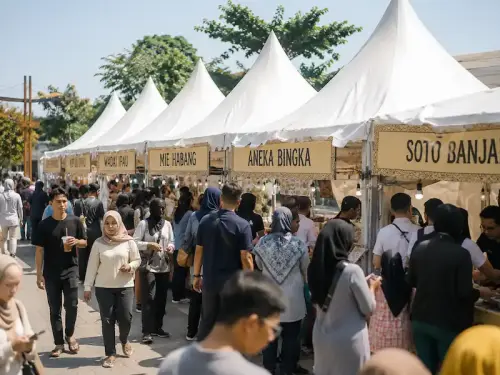
Throughout various corners of Banjarmasin, food stalls serving Mie Habang can still be found with ease. Many of them are family-run businesses that have been passed down from one generation to the next.
The continued popularity of this dish demonstrates that Mie Habang is far more than a passing trend. It has become part of the collective memory of the people of South Kalimantan.
For many Banjar residents, a bowl of Mie Habang is not simply food. It is a reminder of childhood memories, family breakfasts, and cherished moments shared with friends and relatives.
Simplicity That Creates Uniqueness
At first glance, the ingredients used in Mie Habang appear quite simple.
The noodles are made from wheat flour, water, salt, and the distinctive red coloring that gives the dish its signature appearance. After being boiled until fully cooked, the noodles are topped with a rich and flavorful habang broth.
As accompaniments, meatballs and wontons are commonly added. Some vendors also serve it with tomato sauce, further enhancing the characteristic sweet-savory flavor that is typical of Banjar cuisine.
Although the dish does not contain a large number of ingredients, their combination creates a truly unique culinary experience.
The key remains the habang seasoning itself. Preparing this spice blend requires a careful balance of dried red chilies, aromatic spices, and palm sugar. If one element becomes too dominant, the distinctive character of Mie Habang can easily be lost.
For this reason, many vendors preserve their family recipes with great care and attention.
The Red Color That Deceives the Taste Buds
One of the reasons Mie Habang is so easy to recognize is its appearance, which is strikingly different from most other noodle dishes.
A freshly served bowl of Mie Habang stands out with its bright red color. The broth glistens, the noodles carry a reddish hue, and the aroma of the signature spices is noticeable the moment the bowl is placed on the table.
For lovers of spicy food, this vivid color often creates the expectation that the dish will deliver an intense level of heat.
However, when the first bite reaches the mouth, what emerges is a gentle savory flavor, followed by a subtle sweetness from the palm sugar used in the habang seasoning.
Chilies remain an important part of the recipe, but their role is more about providing color and aroma than creating extreme spiciness.
This characteristic makes Mie Habang enjoyable for a wide range of people, including those who are not particularly fond of spicy foods.
A Favorite Dish in Banjar Eateries
In Banjarmasin, Mie Habang has long been one of the signature menu items found in many local eateries.
Its popularity is driven by several factors. First, its flavor is unique and distinctly different from ordinary noodle dishes. Second, it is relatively affordable, making it accessible to people from all walks of life.
In addition, it is practical to serve and highly satisfying. This is why many people choose Mie Habang as a breakfast dish before starting their daily activities or as a simple yet fulfilling lunch.
Many visitors also consider Mie Habang a must-try culinary experience when traveling to South Kalimantan.
For some, tasting Mie Habang is one of the best ways to understand the character of Banjar cuisine, which is known for its rich combination of sweet, savory, and aromatic flavors.
A Symbol of Banjar Culinary Creativity
When examined more closely, Mie Habang reflects one of the defining characteristics of Banjar cuisine: the ability to transform simple ingredients into something with a strong and memorable identity.
The Banjar people are known for their creativity in utilizing local spices and creating unique flavor profiles. They do not always seek intense heat or overwhelming seasonings.
Instead, they prioritize a balanced flavor that remains enjoyable over time.
Mie Habang is a perfect example of this philosophy.
Its red color is bold and attention-grabbing, yet its flavor remains gentle and approachable. Rather than shocking the palate with extreme spiciness, it invites people to savor every bite at a relaxed pace.
More Than Just a Bowl of Noodles
In the end, Mie Habang is about much more than red-colored noodles or an appetizing broth.
It is part of Banjarmasin’s culinary history, a product of Banjar creativity in developing the distinctive habang seasoning, and a symbol of how traditions can continue to thrive through food.
Amid the rise of fast food and constantly changing culinary trends, Mie Habang has managed to maintain its place in the hearts of the people.
Simple food stalls continue to serve it every day, Banjar families still enjoy it for breakfast, and those who have moved away continue to long for its taste when they are far from home.
Every bowl of Mie Habang offers more than just satisfaction. It carries a story about the city of Banjarmasin, about Banjar culture, and about a humble dish that has endured for decades because it is deeply loved by its community.
And perhaps that is why Mie Habang remains one of the culinary icons of South Kalimantan: simple, down-to-earth, yet possessing a character that is never forgotten.