
From the Capital of the Banjar Sultanate to Being Known as the Veranda of Mecca
Martapura is one of the historic cities in South Kalimantan that has played an important role in the political, cultural, and Islamic development of Kalimantan Island.
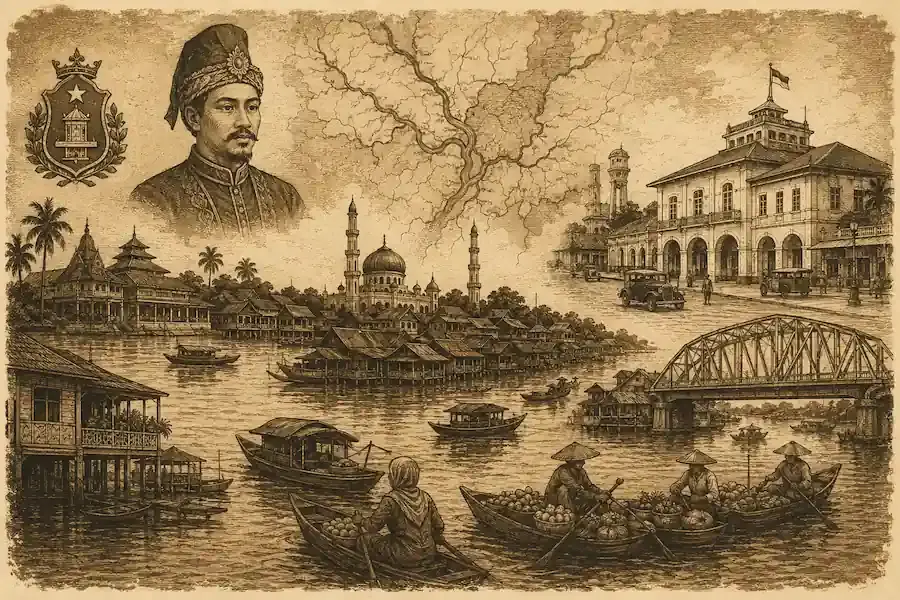
Now serving as the capital of Banjar Regency, the city is located approximately 40 kilometers east of Banjarmasin and lies along the banks of the Martapura River, a waterway that has long been the lifeblood of the Banjar people.
Today, Martapura is widely known by two titles that have become deeply embedded in its identity: the Diamond City and the Veranda of Mecca.
Behind these titles lies a long history of royal capital relocations, struggles against colonialism, and the growth of Islamic educational traditions that continue to thrive to this day.
The Origins of Martapura, Formerly Known as Kayuntangi
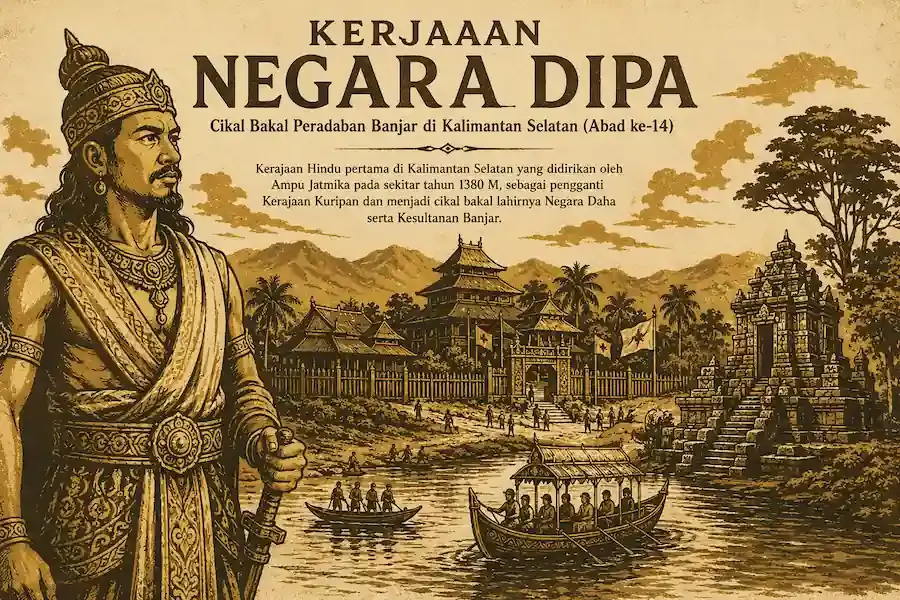
Long before it became known as Martapura, the area was called Kayuntangi or Kayu Tangi. This was the historical name of a region that later developed into one of the most important centers of power in the history of the Banjar Sultanate.
A major transformation occurred in the early 17th century when the Banjar Kingdom came under pressure from the Dutch.
After the royal palace in the Kuwin area of Banjarmasin was destroyed as a result of conflict with the Dutch, the fourth Sultan of Banjar, Sultan Musta'in Billah, made the significant decision to move the kingdom’s seat of government to the Kayuntangi region.
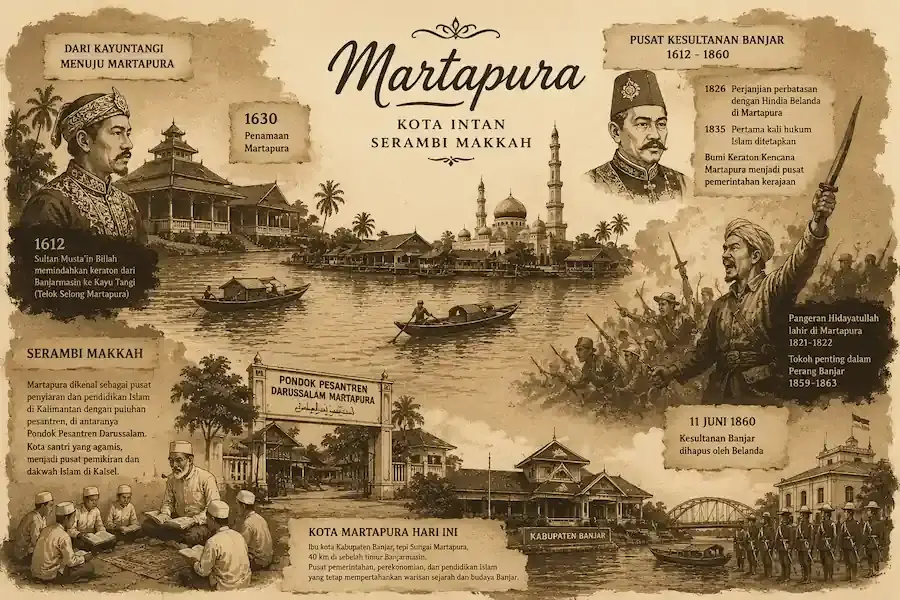
In 1612, the palace was relocated to the Telok Selong area and its surroundings, which are now part of present-day Martapura.
This relocation was not only a strategic move to preserve the kingdom’s authority but also marked the beginning of Martapura’s rise as the administrative center of the Banjar Sultanate.
Several years later, around 1630, Sultan Musta'in Billah gave the area a new name: Martapura. From then on, Martapura became known as a center of government, culture, and community life for the Banjar people.
Martapura Becomes the Heart of the Banjar Sultanate
After the royal palace was moved from Banjarmasin, Martapura developed into the administrative center of the Banjar Sultanate for centuries. It was here that important royal decisions were made and governmental affairs were conducted.
One of the most significant sites during that period was Bumi Keraton Kencana Martapura, which served as the center for official royal activities. From this location, the sultans governed the kingdom and maintained relations with various parties, including the Dutch colonial administration.
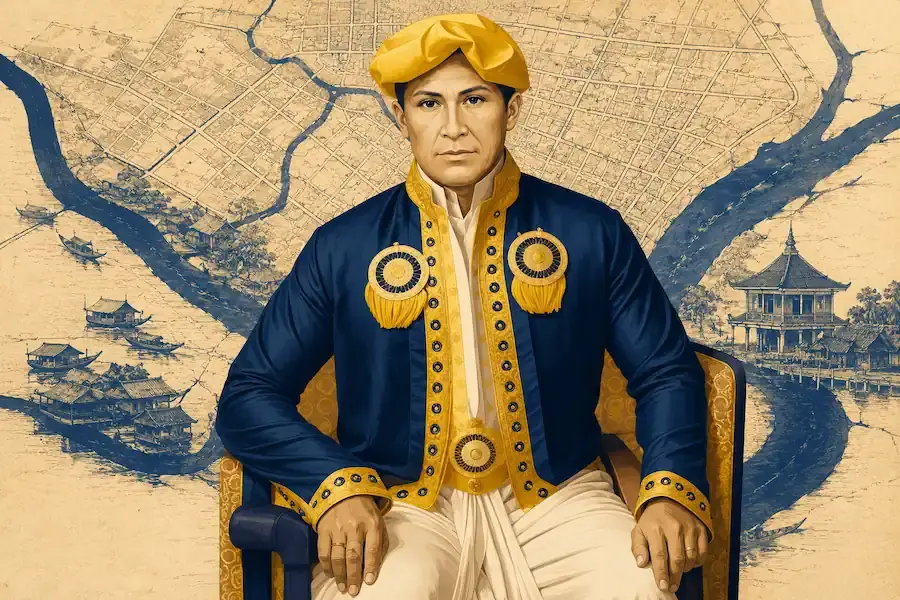
Martapura’s importance grew even further during the reign of Sultan Adam Alwasiqubillah, who ruled from 1825 to 1857.
His reign is often regarded as one of the most significant periods in the history of the Banjar Sultanate due to the policies that greatly influenced the lives of the people.
In 1826, Sultan Adam signed a border agreement with the Dutch East Indies government in Martapura. The agreement became one of the clearest signs of increasing colonial intervention in the affairs of the kingdom.
Shortly afterward, in 1835, Sultan Adam officially implemented Islamic law within the administration of the Banjar Sultanate.
This policy strengthened the position of Islam in the social and political life of the Banjar people and laid an important foundation for Martapura’s future role as one of Kalimantan’s leading centers of Islamic education.
The Birth of the Title "Veranda of Mecca"
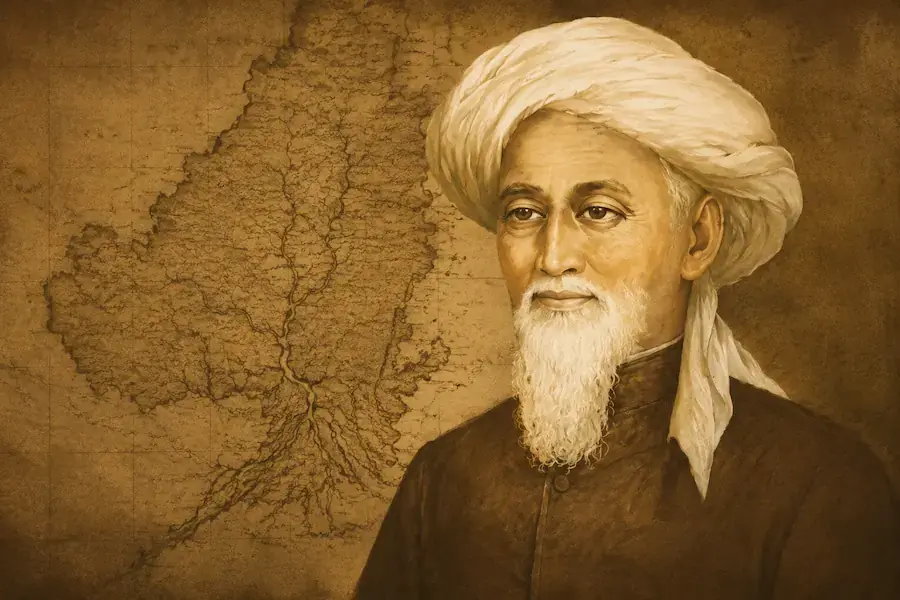
If there is one title most closely associated with Martapura’s identity today, it is the Veranda of Mecca.
This title did not emerge without reason. Since the era of the Banjar Sultanate, Martapura has developed as a center for the spread and teaching of Islam in South Kalimantan.
The support given by the sultans to religious education turned the city into a destination for students seeking Islamic knowledge from various regions.
This strong Islamic tradition continued to flourish with the establishment of numerous Islamic educational institutions. One of the most renowned is Darussalam Islamic Boarding School of Martapura, which has produced many influential Islamic scholars and religious leaders throughout Kalimantan.
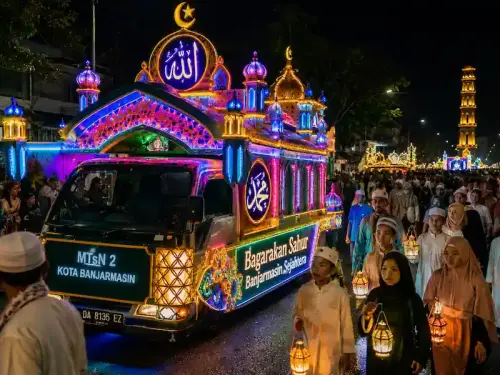
In addition to Darussalam, dozens of other Islamic boarding schools have emerged throughout Martapura. The presence of students arriving from various regions creates a distinctive religious atmosphere. The sight of students dressed in white walking to mosques, prayer halls, and pesantren has become a familiar part of everyday life in the city.
For this reason, Martapura is recognized not only as a center of Islamic education but also as a respected hub of Islamic thought and religious outreach in South Kalimantan. To this day, this identity remains deeply embedded in the lives of its people.
Martapura During the Colonial Era and the Banjar War
As the 19th century progressed, Dutch influence over the Banjar Sultanate grew increasingly strong. A series of political agreements with the colonial government gradually eroded the sovereignty of the kingdom.
Amid these circumstances, Martapura became one of the key locations in the emergence of resistance movements against Dutch rule. The city also shares a close connection with one of the most prominent figures in Banjar history, Prince Hidayatullah.
Prince Hidayatullah was born in Martapura around 1821 or 1822. Unlike many members of the royal family, he spent much of his childhood and youth living with his mother among the people of Martapura rather than within the royal palace.
His close relationship with the local community earned him widespread support as tensions with the Dutch continued to escalate.
On November 3, 1857, an important meeting held in Martapura resulted in an agreement that opposing Sultan Tamjidillah, who was supported by the Dutch, was equivalent to opposing colonial rule itself.
This agreement became one of the early steps that eventually led to the outbreak of the Banjar War in 1859. During the conflict, which lasted until 1863, Martapura served as one of the strategic strongholds for Banjar fighters.
The End of the Banjar Sultanate
The prolonged conflict ultimately brought significant changes to the history of South Kalimantan. On June 11, 1860, the Dutch East Indies government officially abolished the Banjar Sultanate.
This decision marked the end of a kingdom that had existed for centuries. Martapura, which had long served as the administrative center of the sultanate, lost its status as the royal capital.
Nevertheless, the end of the Banjar Sultanate did not erase the cultural influence and values that had developed over hundreds of years. Islamic traditions, Banjar customs, and the spirit of resistance endured and were passed down to future generations.
Martapura in the Modern Era
Today, Martapura serves as the capital of Banjar Regency and remains one of the most important administrative and economic centers in South Kalimantan.
The city continues to preserve the distinctive character that was shaped during the era of the Banjar Sultanate. Its identity as a religious city remains strong, reflected in the large number of Islamic boarding schools, mosques, and religious activities that form an integral part of daily life.
At the same time, Martapura is also known as the Diamond City due to its long-standing gemstone and diamond trading industry.
The combination of royal heritage, strong Islamic traditions, and vibrant economic activity gives Martapura a unique character that distinguishes it from other cities in South Kalimantan.
Although it has developed into a modern city, traces of its rich history can still be found in its historical sites, cultural traditions, and the stories that continue to live on among the Banjar people.
A Living Historical Legacy
Martapura’s long journey demonstrates how a city can evolve from a royal capital into an influential center of Islamic education.
From the days when it was known as Kayuntangi, through the relocation of the royal palace by Sultan Musta'in Billah, the glory of the Banjar Sultanate, Prince Hidayatullah’s struggle during the Banjar War, and its present role as the capital of Banjar Regency, Martapura has always been an important part of South Kalimantan’s history.
The titles Veranda of Mecca and Diamond City are more than just nicknames—they reflect an identity that has been shaped through centuries of historical development.
To this day, Martapura remains known as a city that preserves Banjar cultural heritage, strengthens Islamic educational traditions, and stands as one of the most significant historical centers in South Kalimantan.